
She’s an Engineer
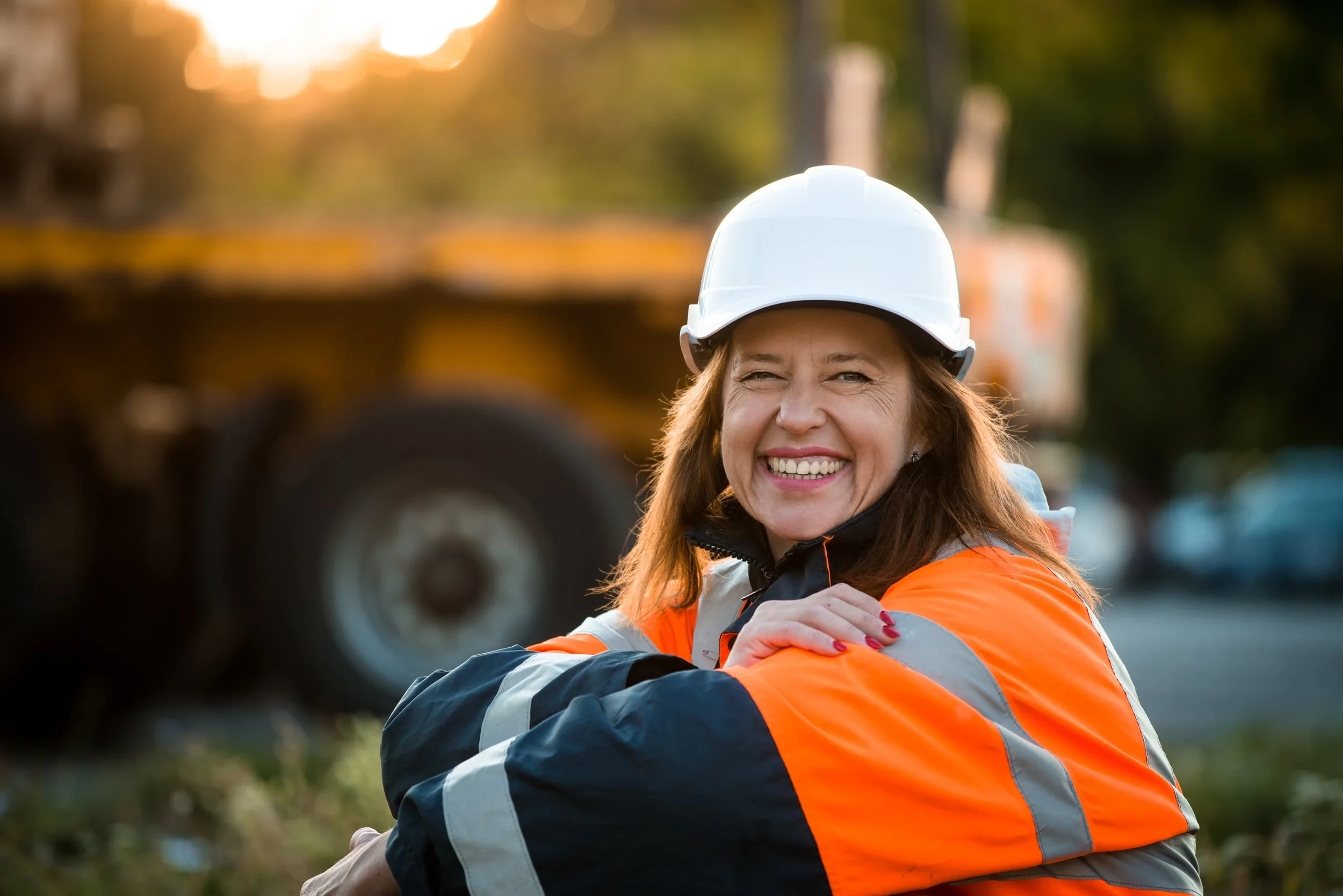
Our campaign celebrates the skills, creativity and influence of women in engineering every day. Explore stories of women making an impact across the industry or share your own experience.
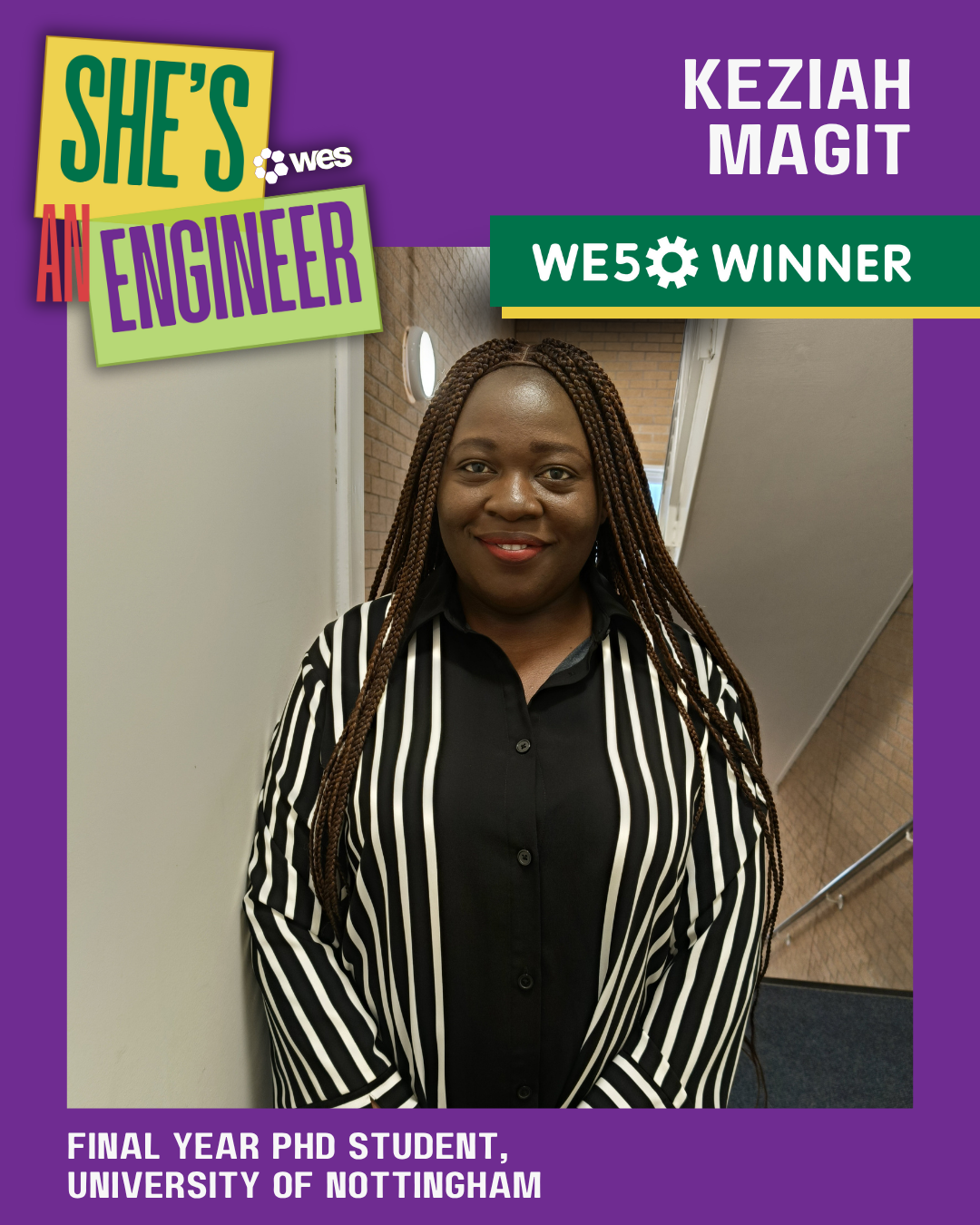
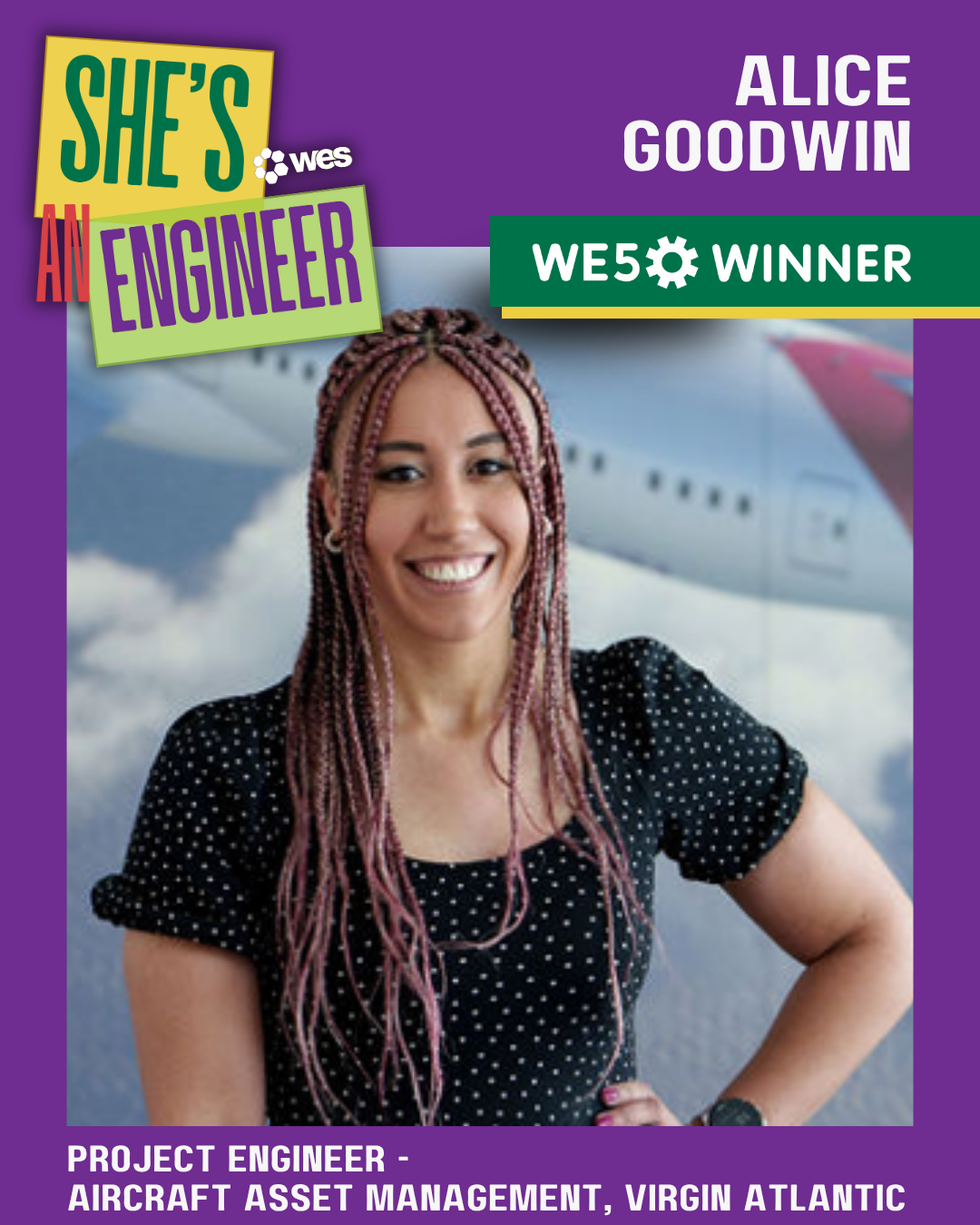
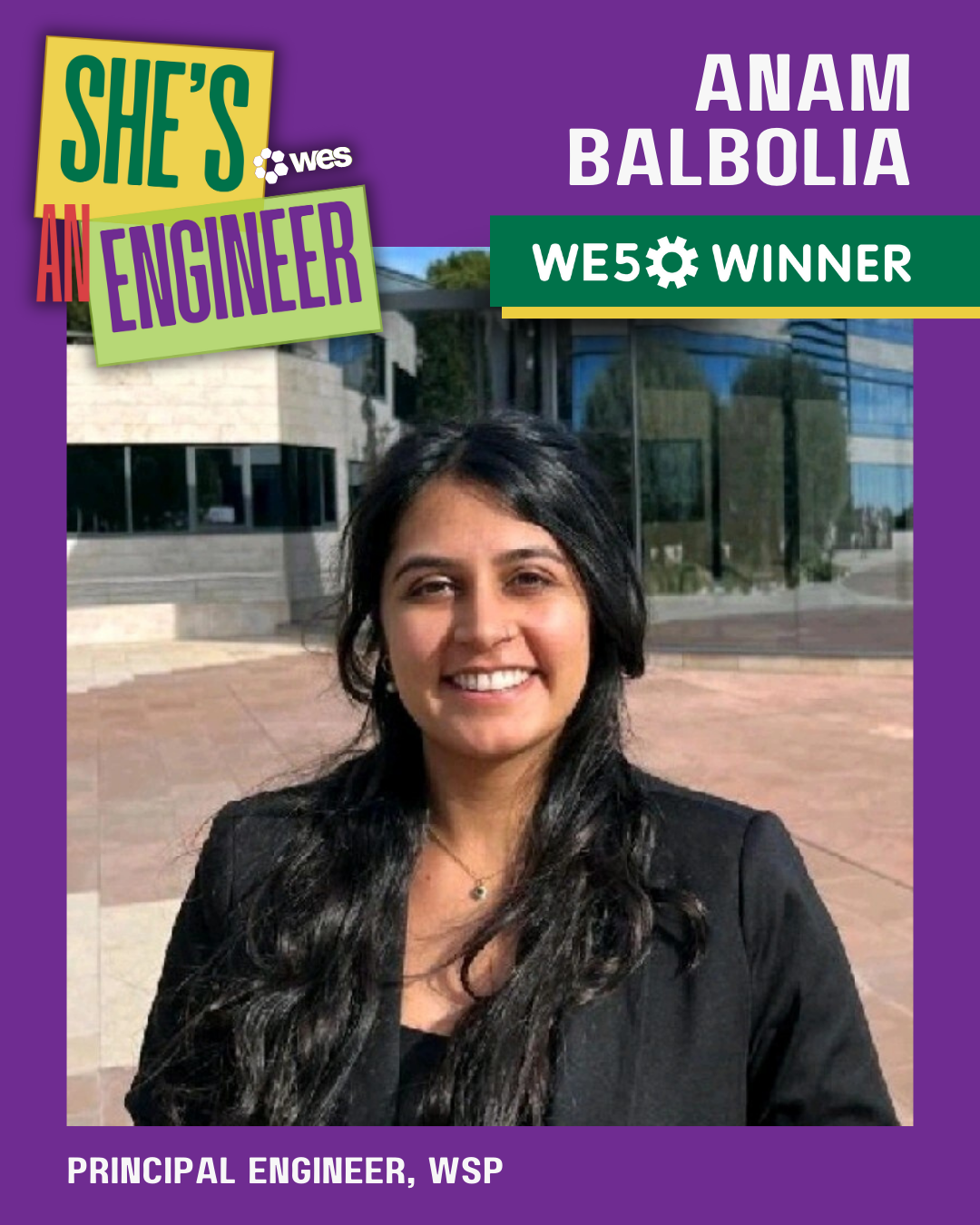
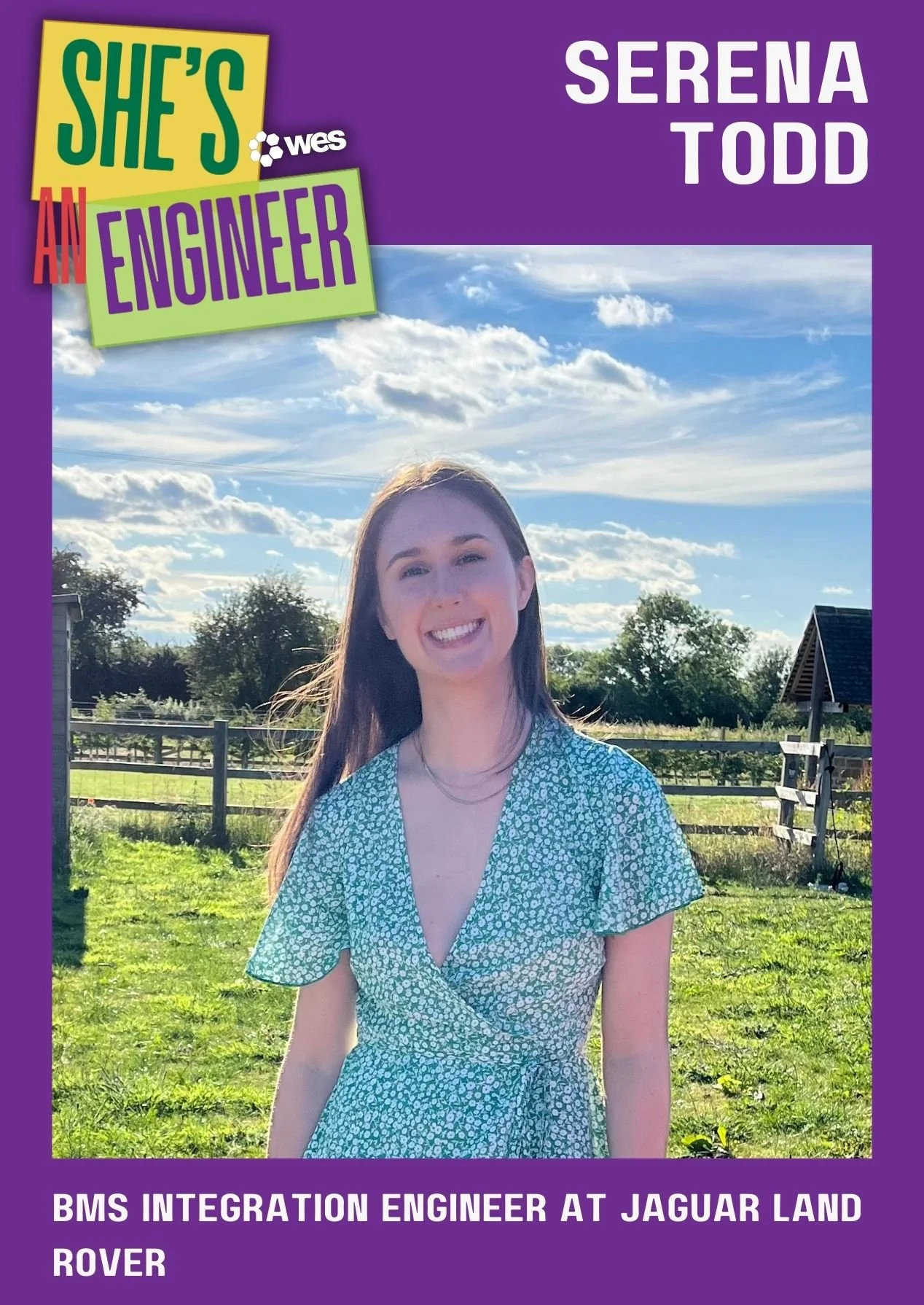
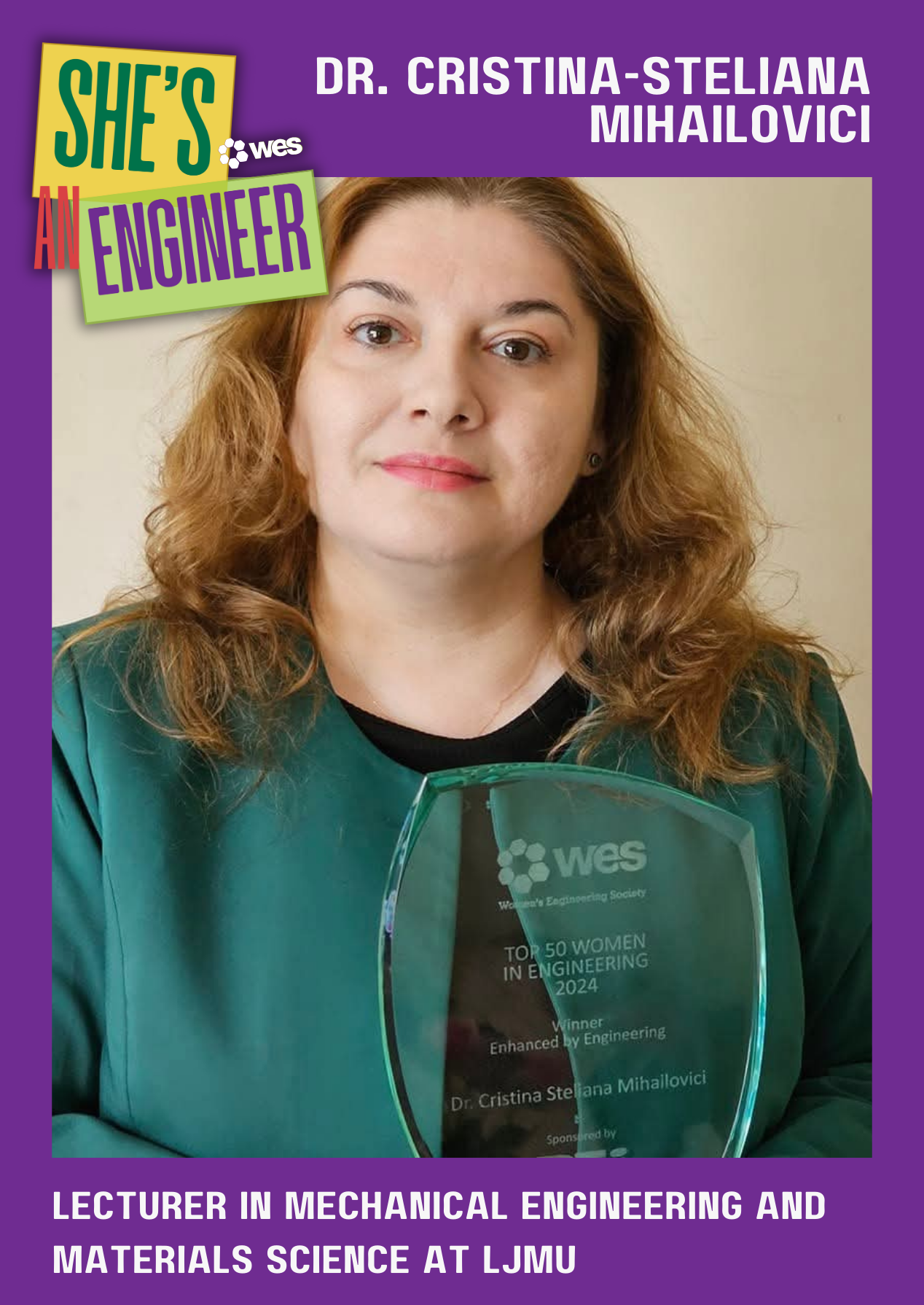
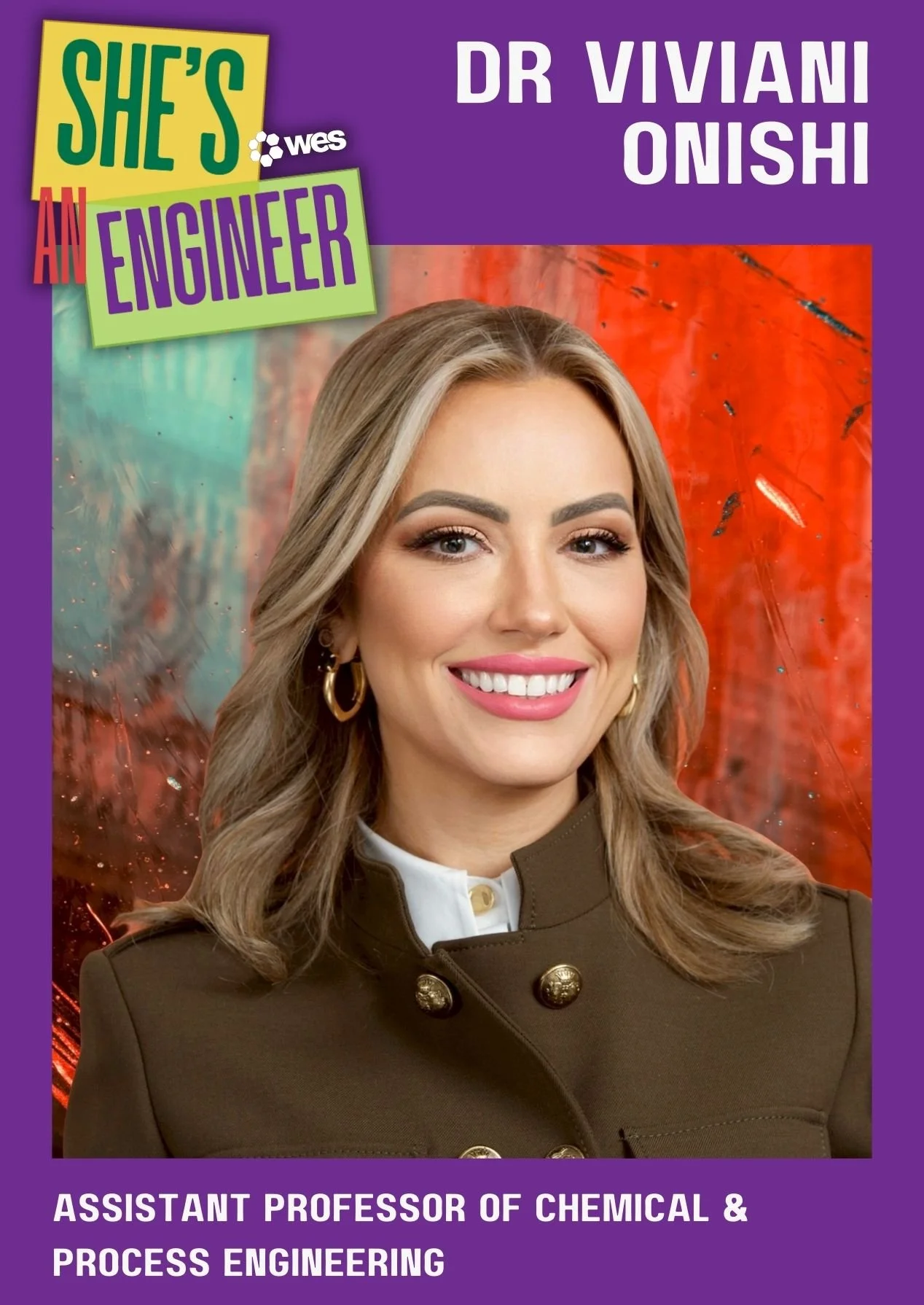
She's an Engineer (SAE) showcases the experiences of women working across a wide range of engineering disciplines, highlighting the many different routes into the profession and the variety of careers it offers.
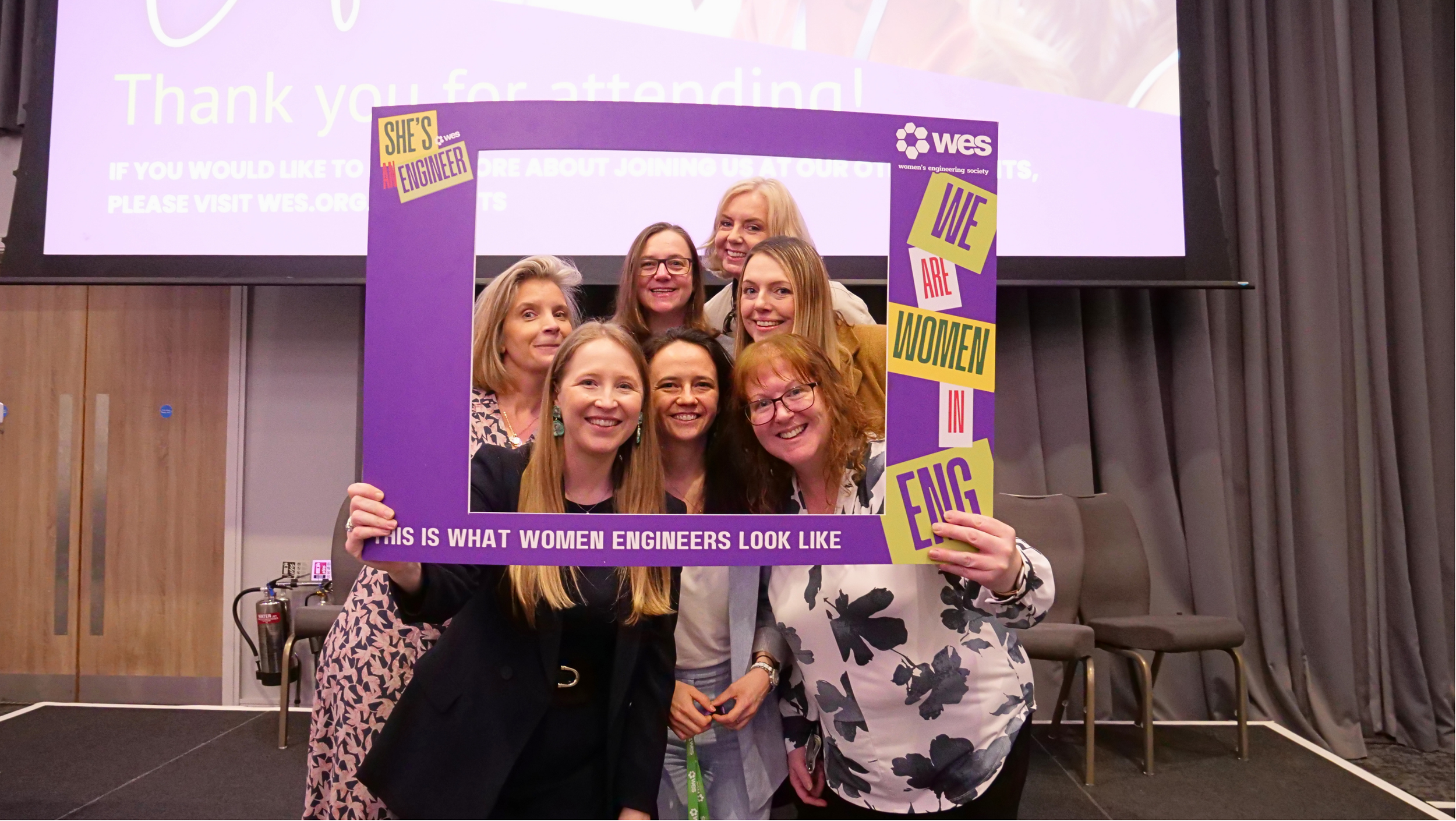
Get to know us! About She’s an Engineer:
Visibility matters. When more people see women engineers, it challenges stereotypes, opens minds and shows young people that engineering is a career for everyone.
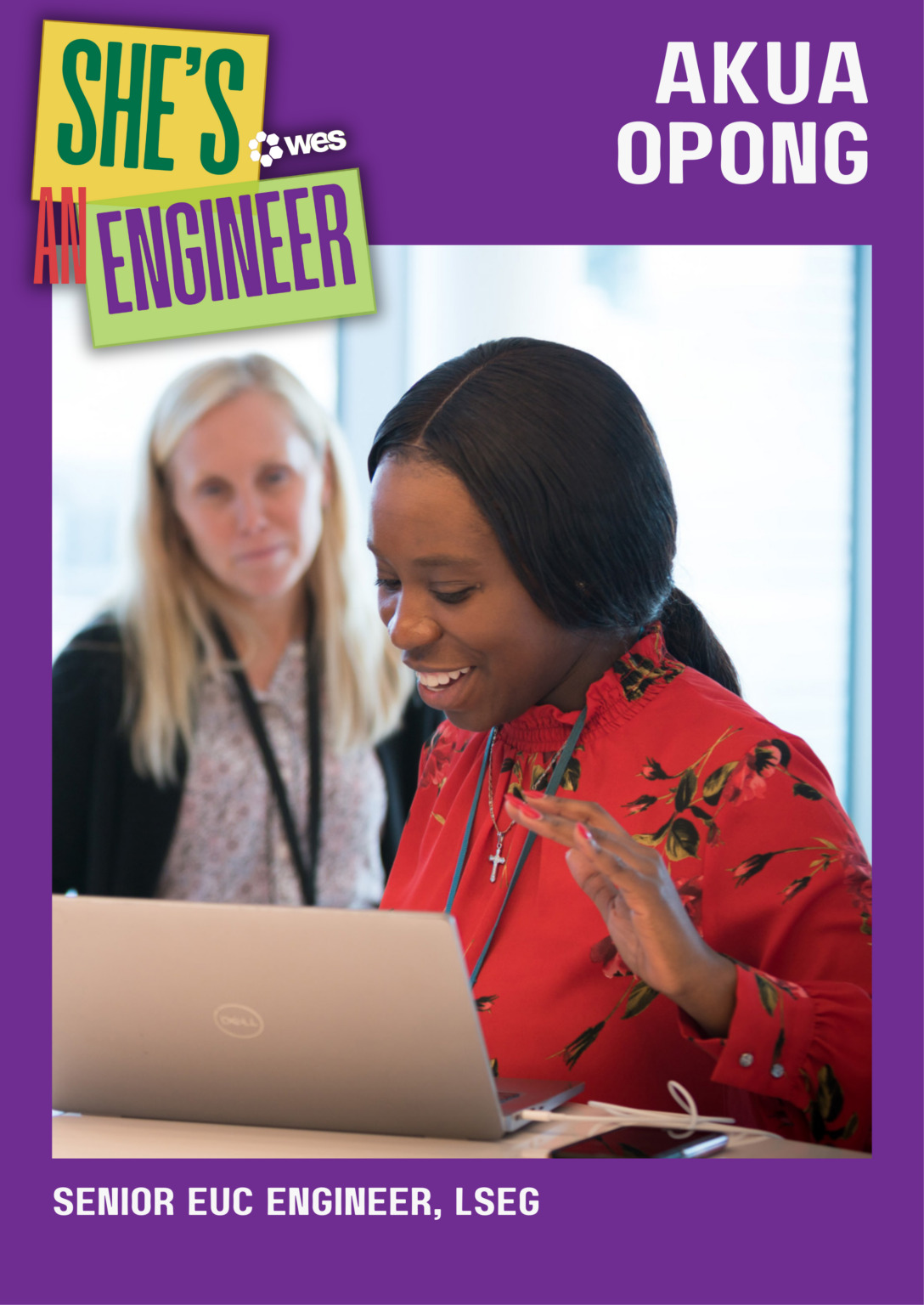
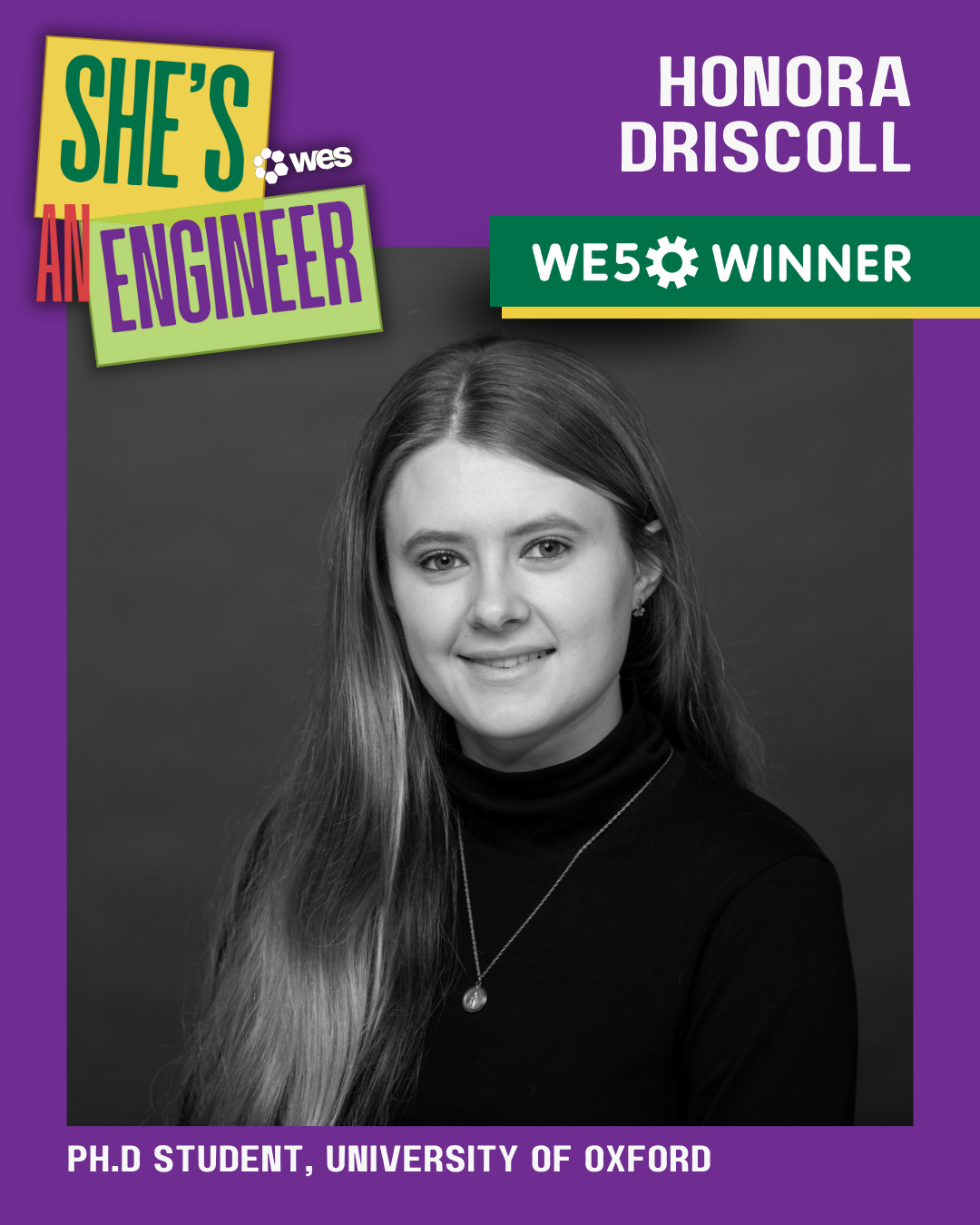
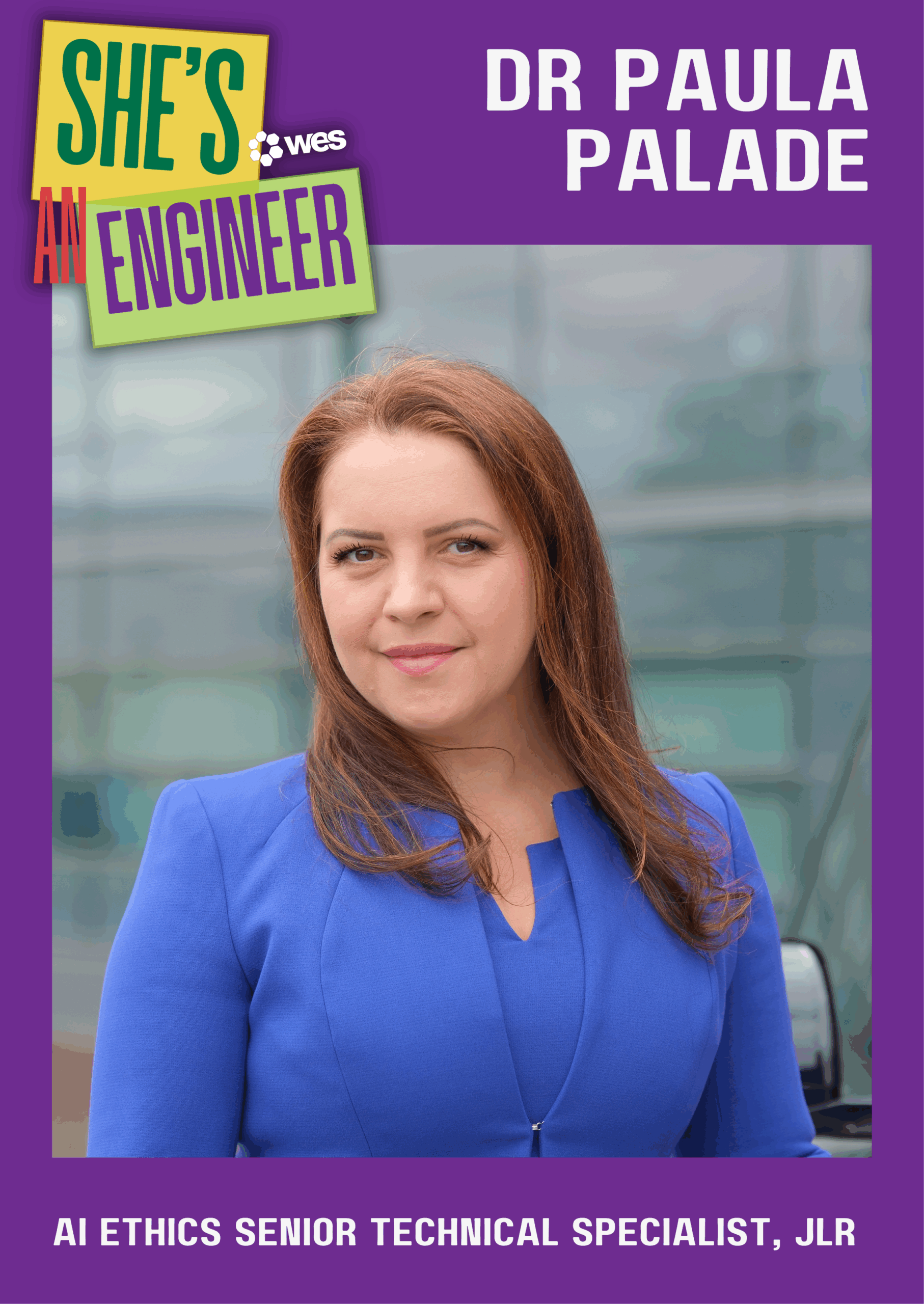
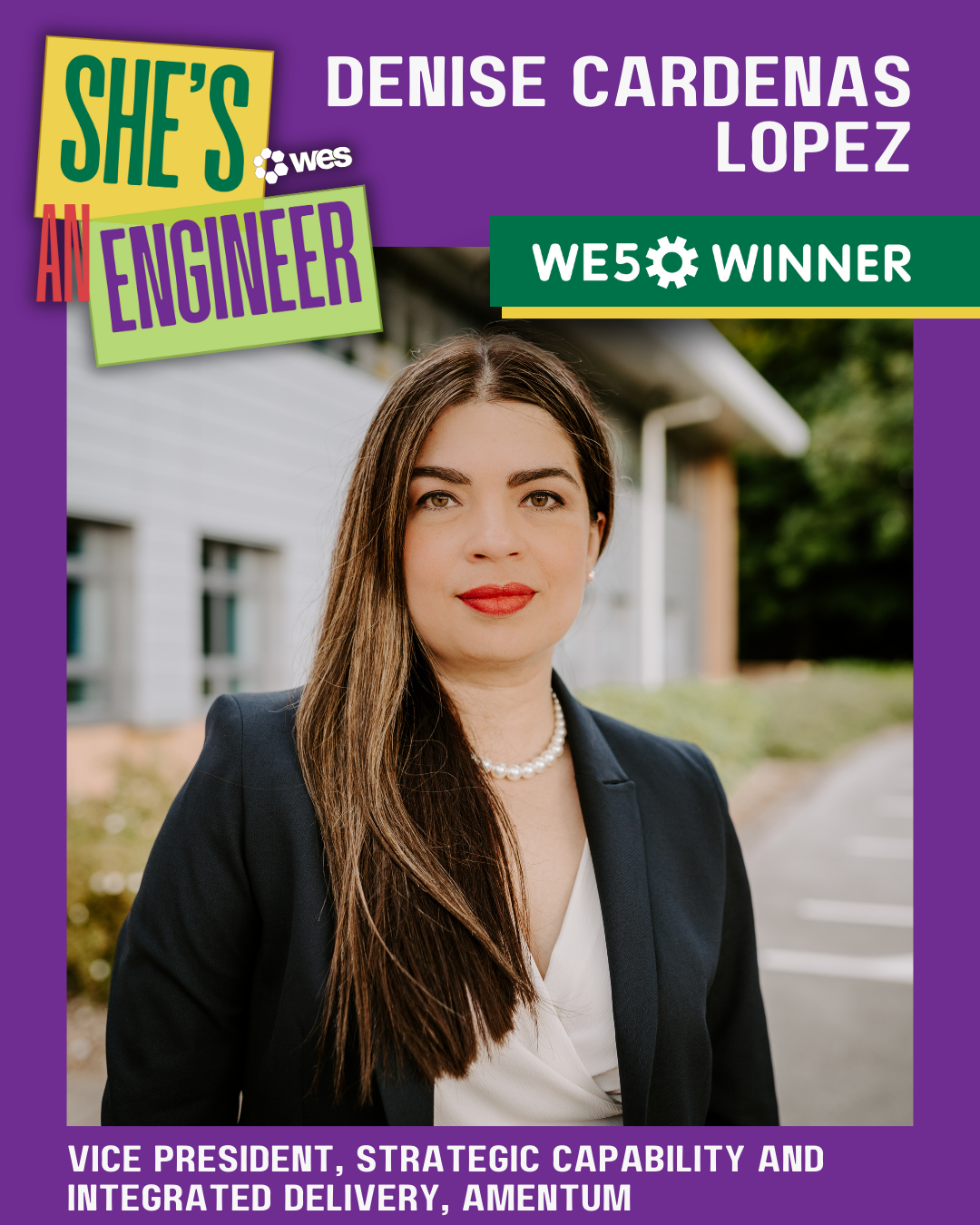
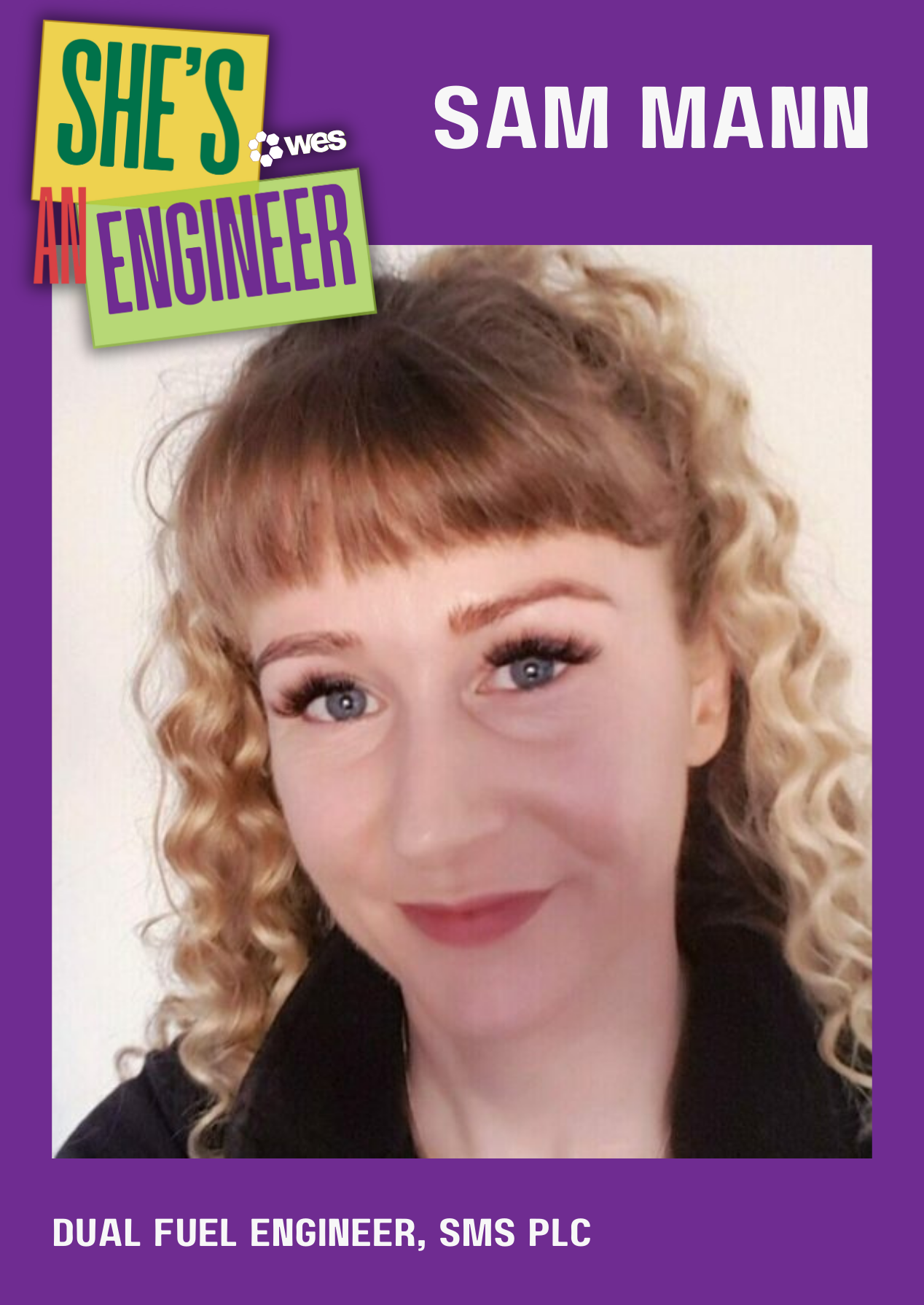
WES members can apply to be featured as part of the campaign. If you would like to share your experience, complete the SAE submission form and upload four high-quality images. Please include your name in each image filename so we can identify your files correctly.
Looking at career options, considering a change of direction or curious about what engineers really do? Explore the stories below and hear directly from the women shaping engineering today.

Interested in taking part?
Complete the SAE form and share your engineering story with the WES community.
Meet the WES members working across engineering. From transport and manufacturing to software and infrastructure, discover the projects they work on, the challenges they tackle and the different paths that led them into the profession.
Software Engineers
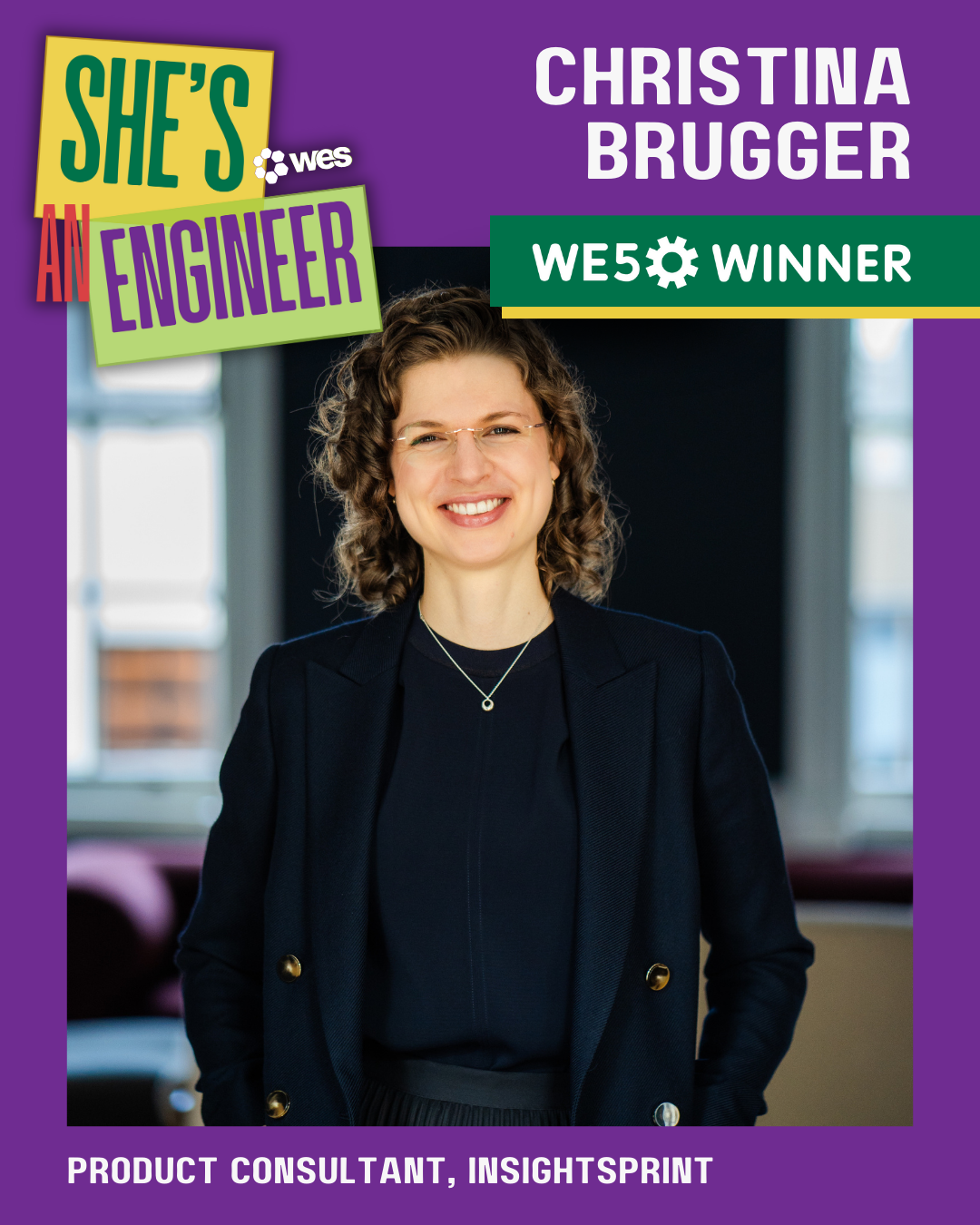
Software engineers design and develop computer games, business applications, network control systems, and software operating systems. They are experts in the theory of computing software and the limitations of the hardware they design for.
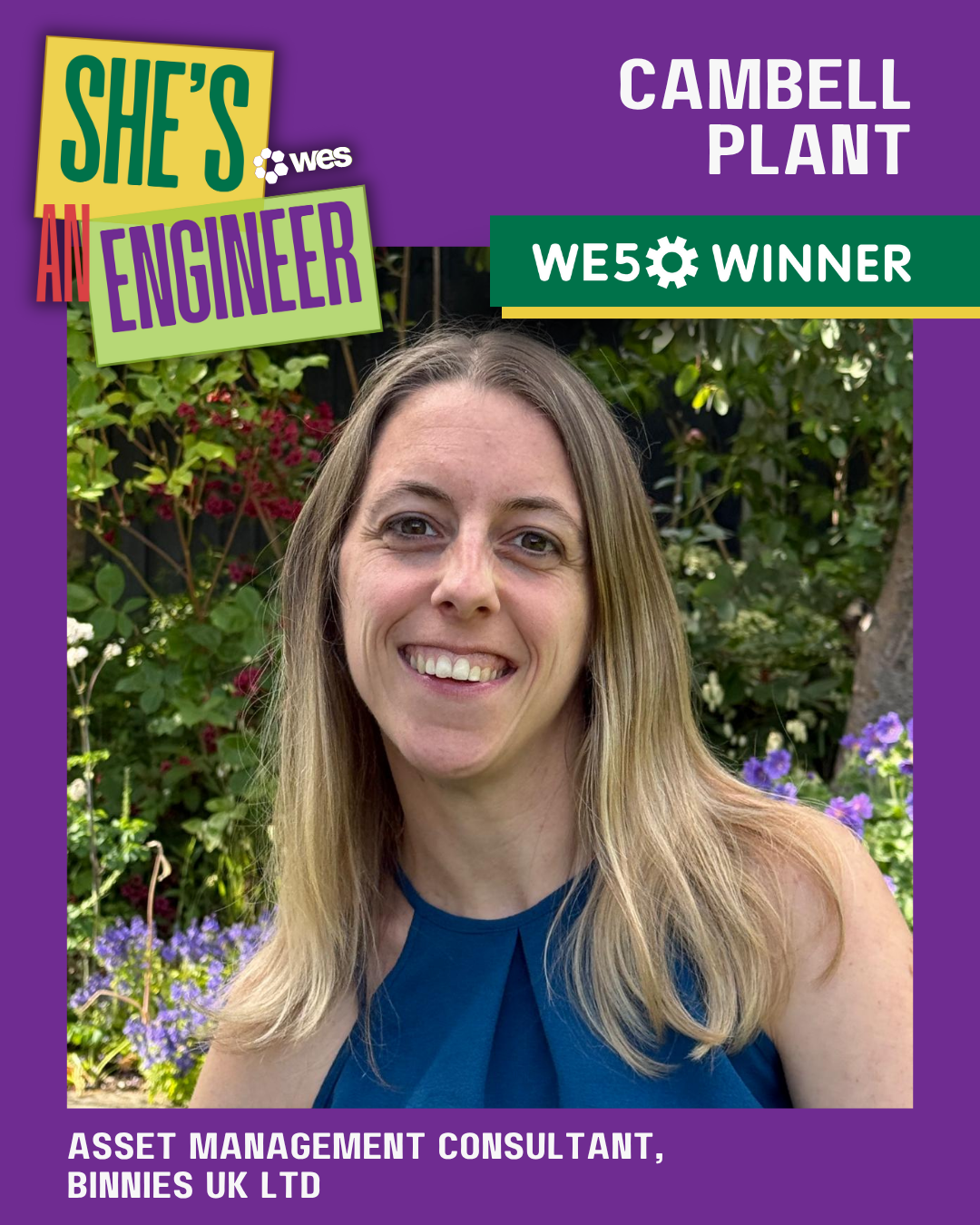
It All Begins Here

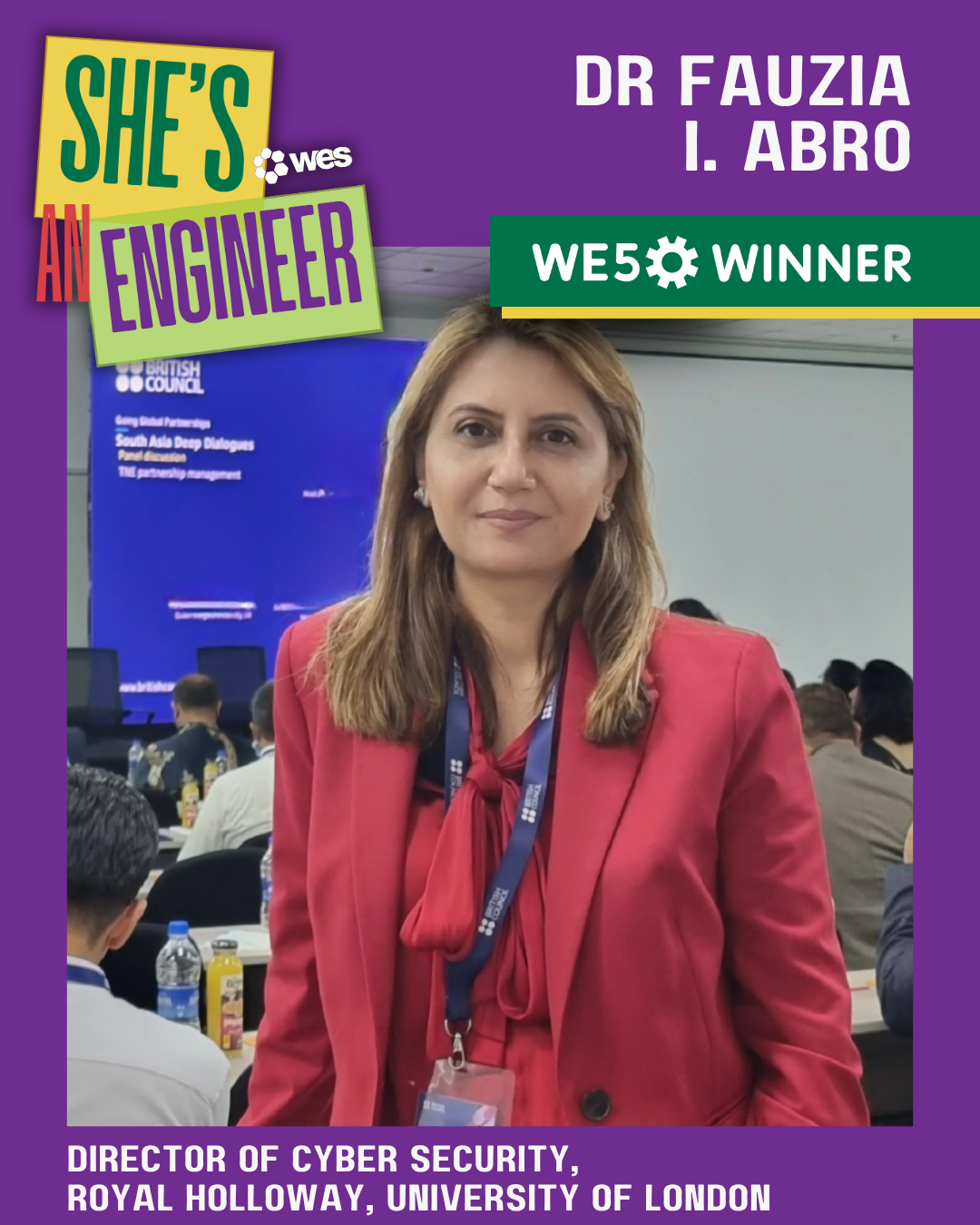
It All Begins Here

It All Begins Here

It All Begins Here
Manufacturing Engineers
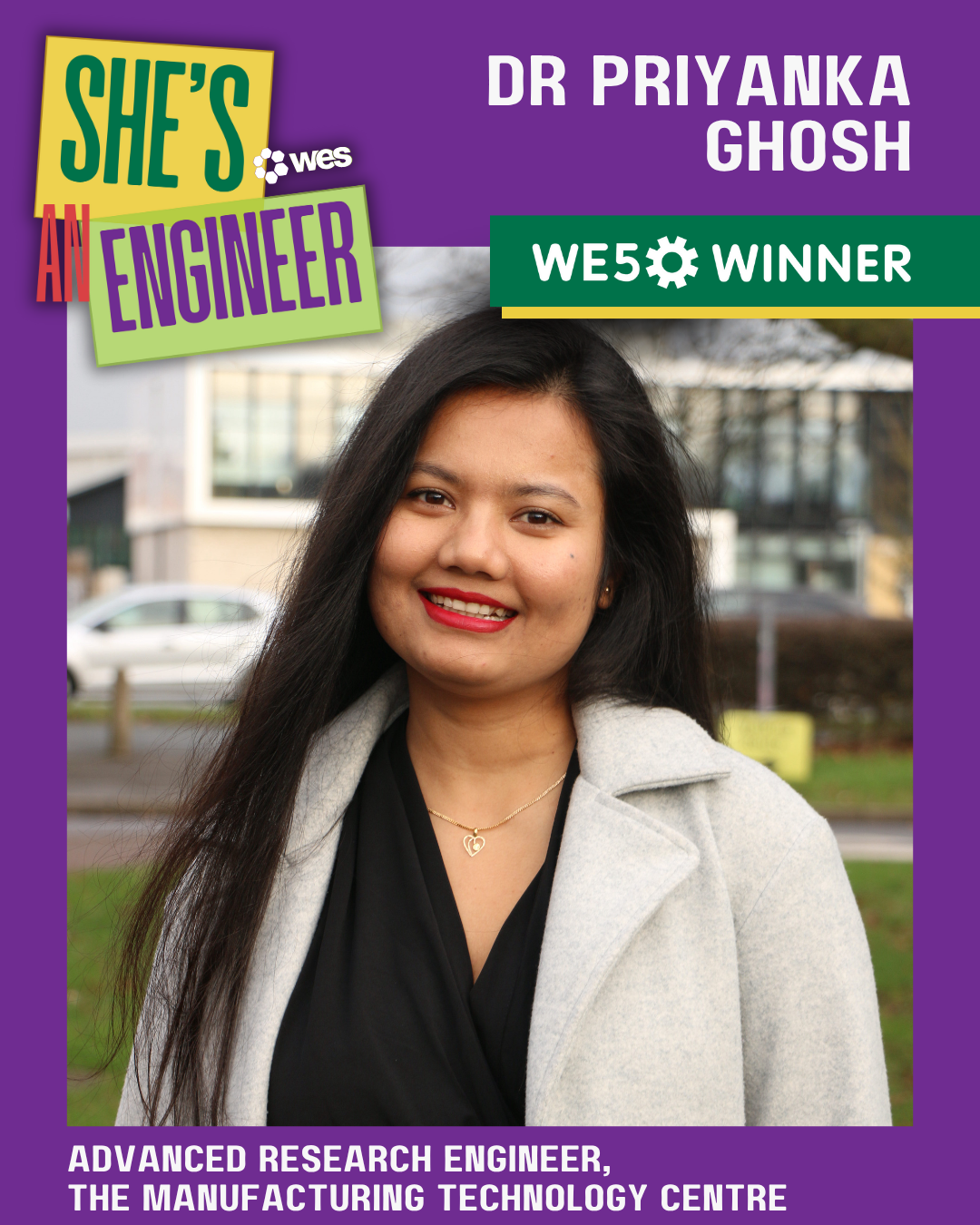
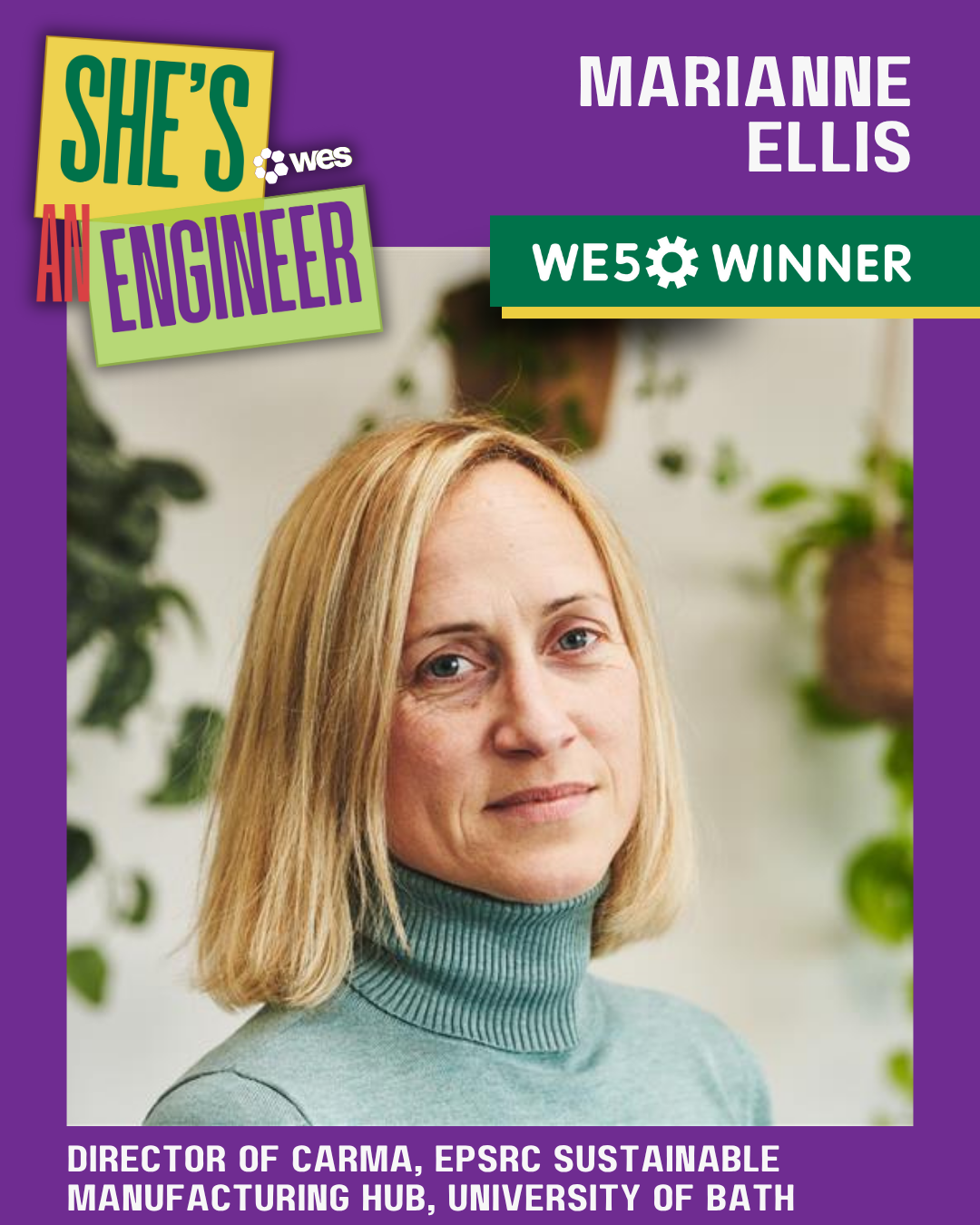
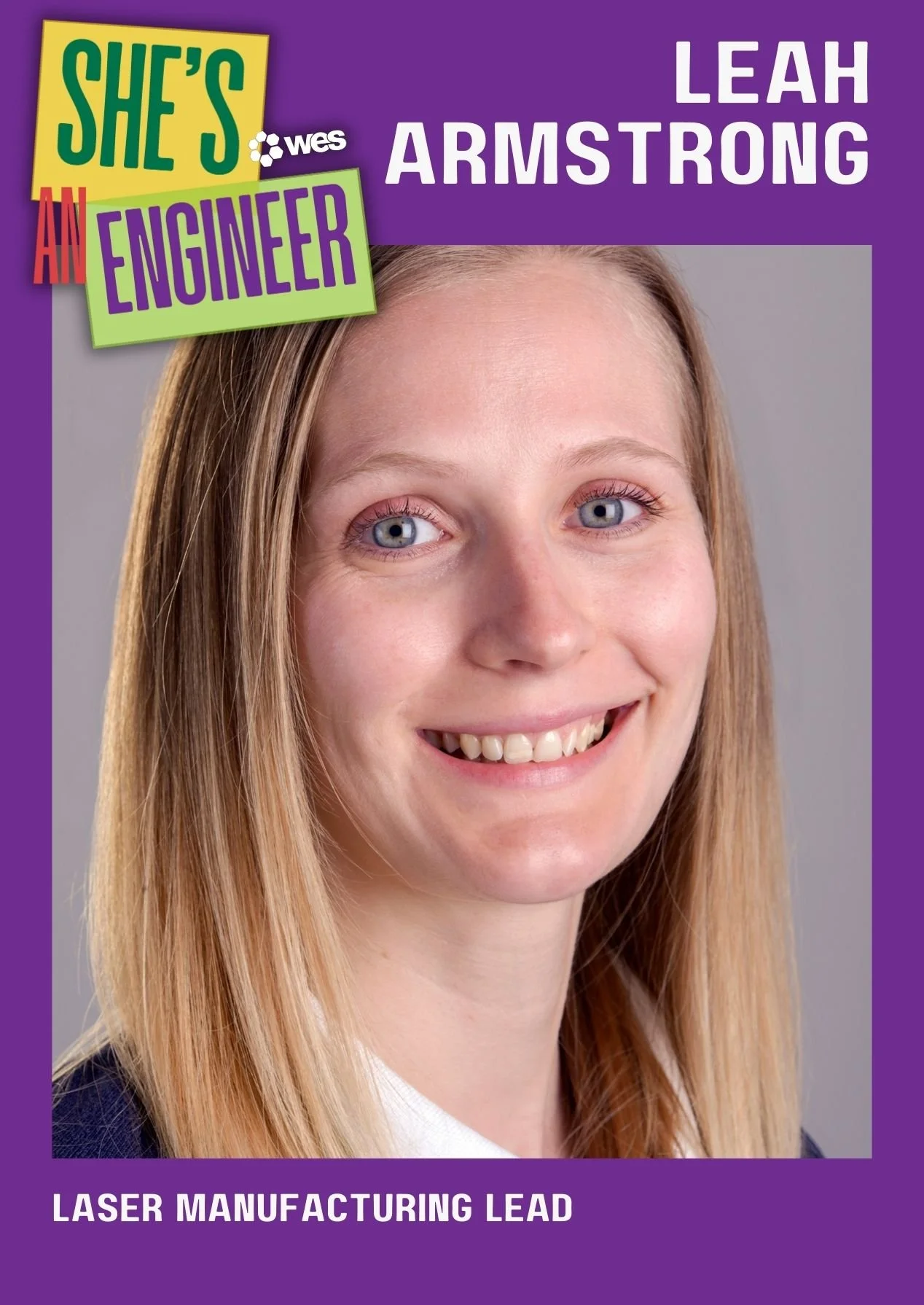
Manufacturing is make something on a large scale using machinery, today this includes automated factories as well as those full of highly skilled engineers. They might be manufacturing super cars, your favourite Christmas chocolates or life saving medicine.

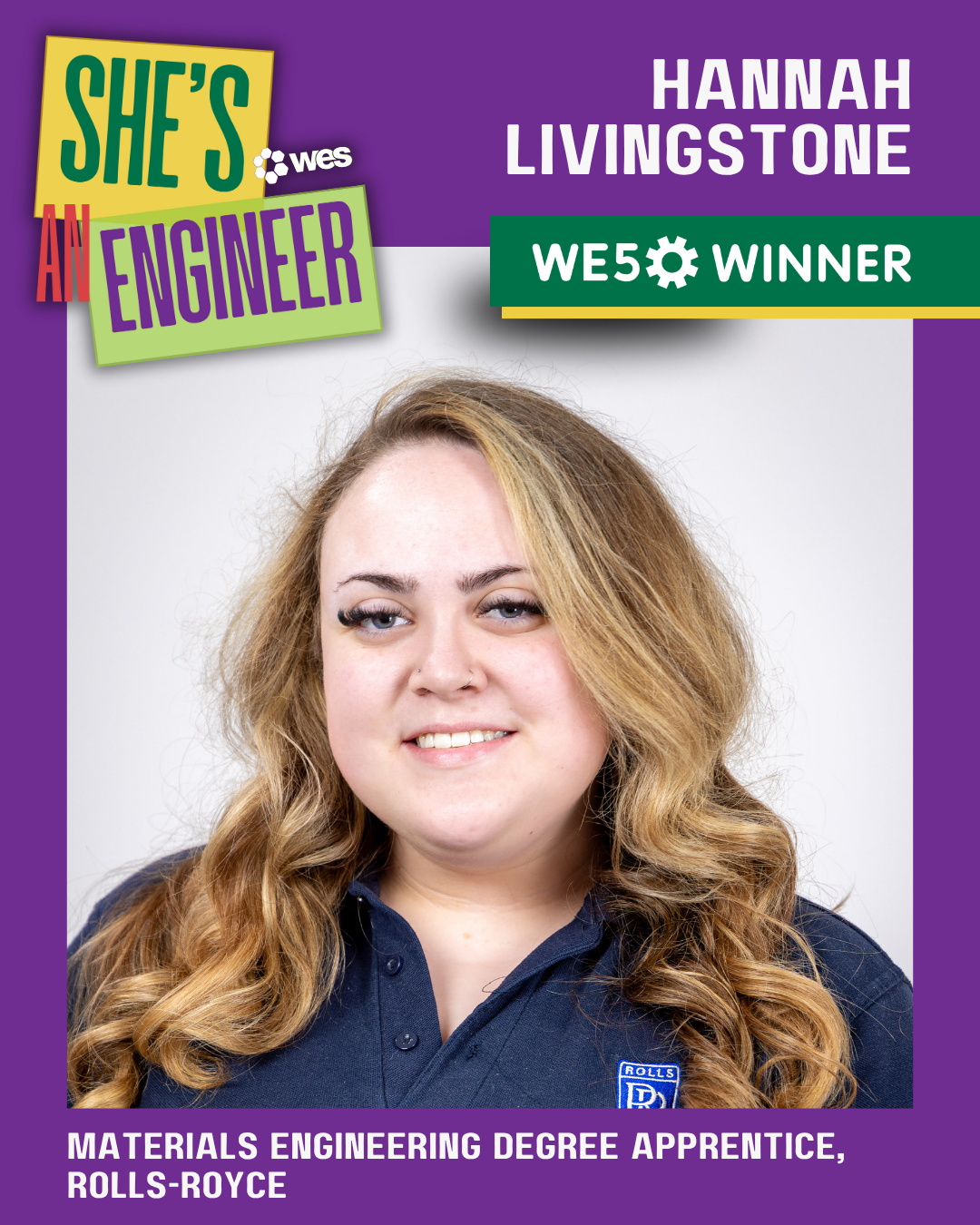
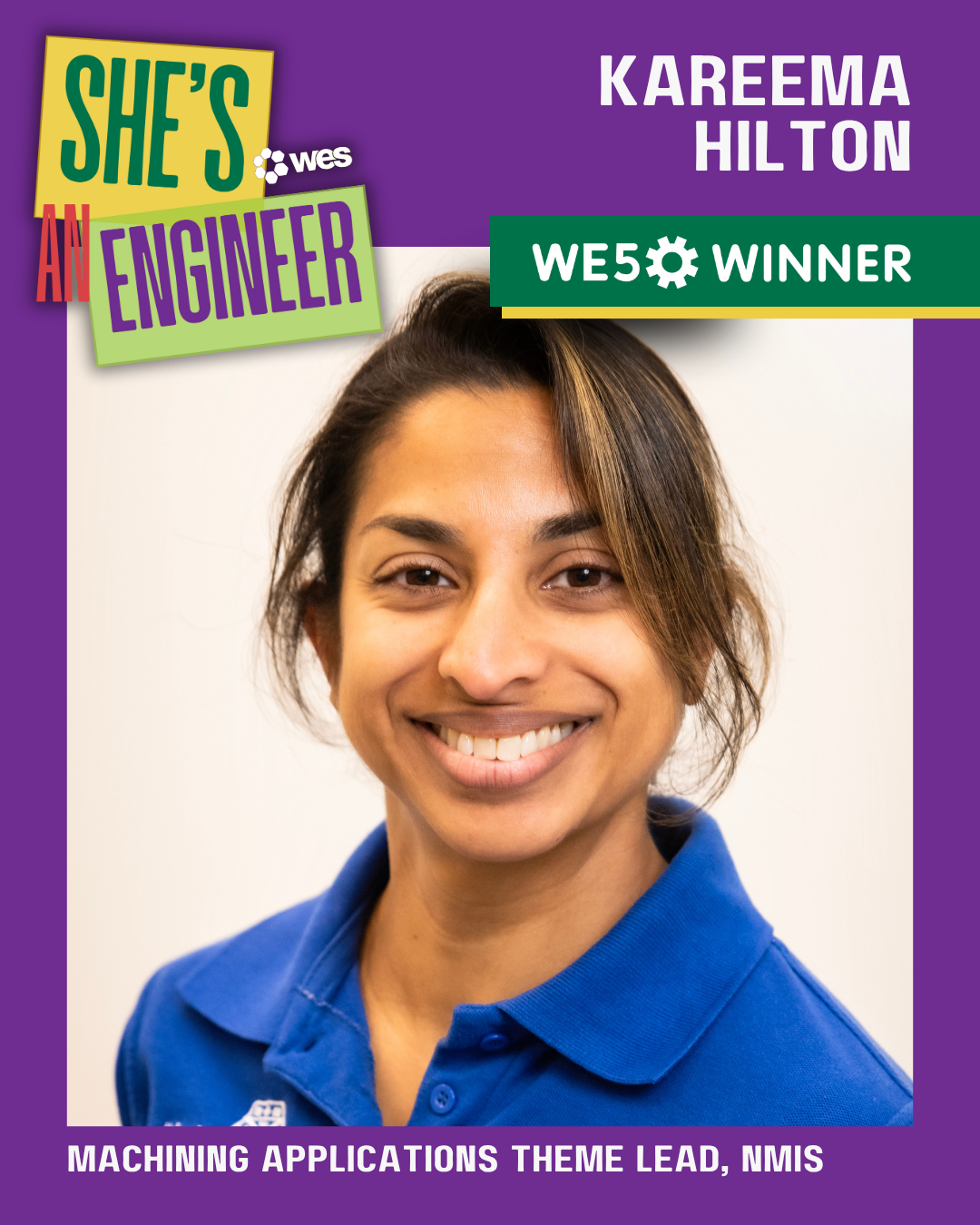

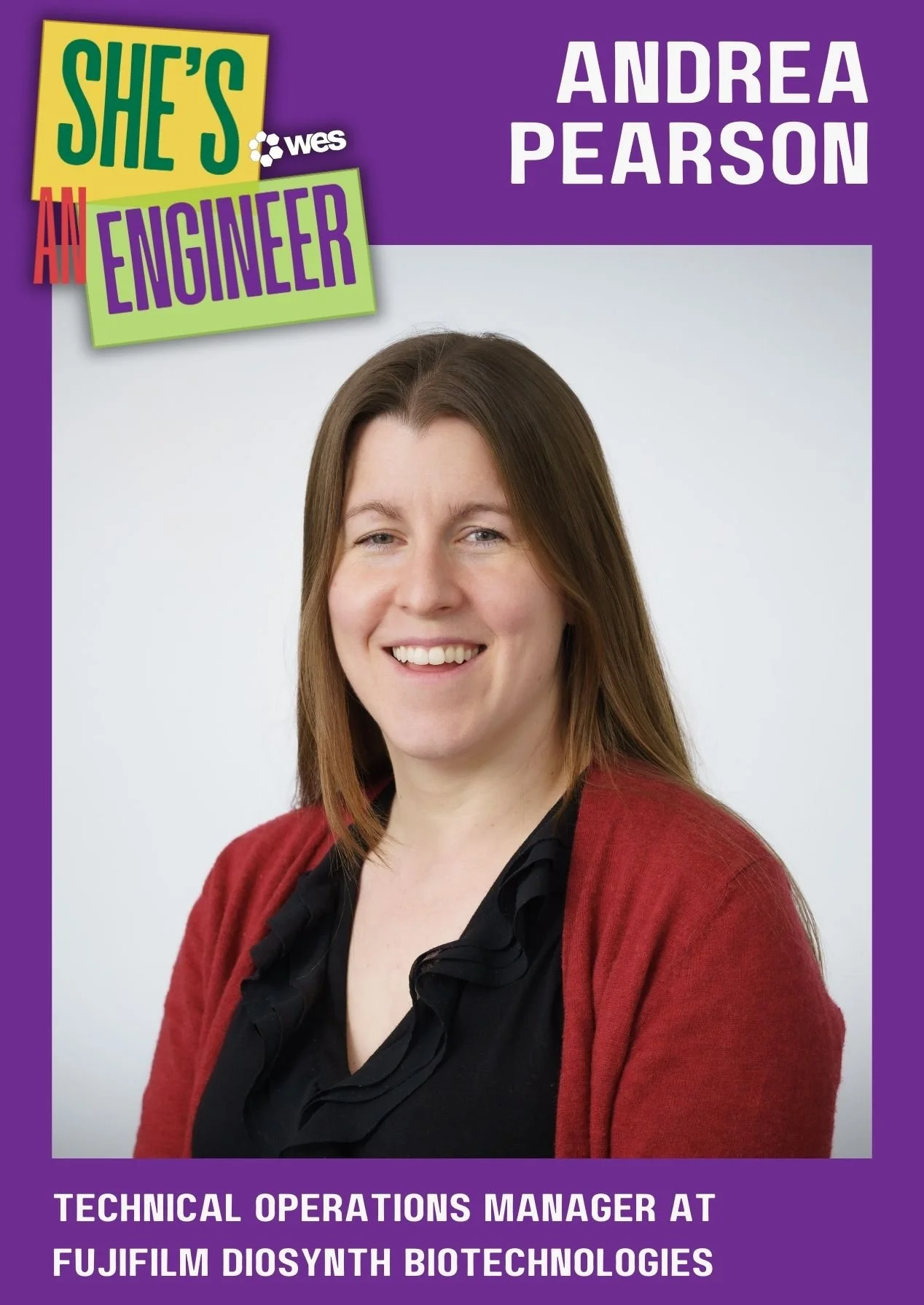
Transport Engineers
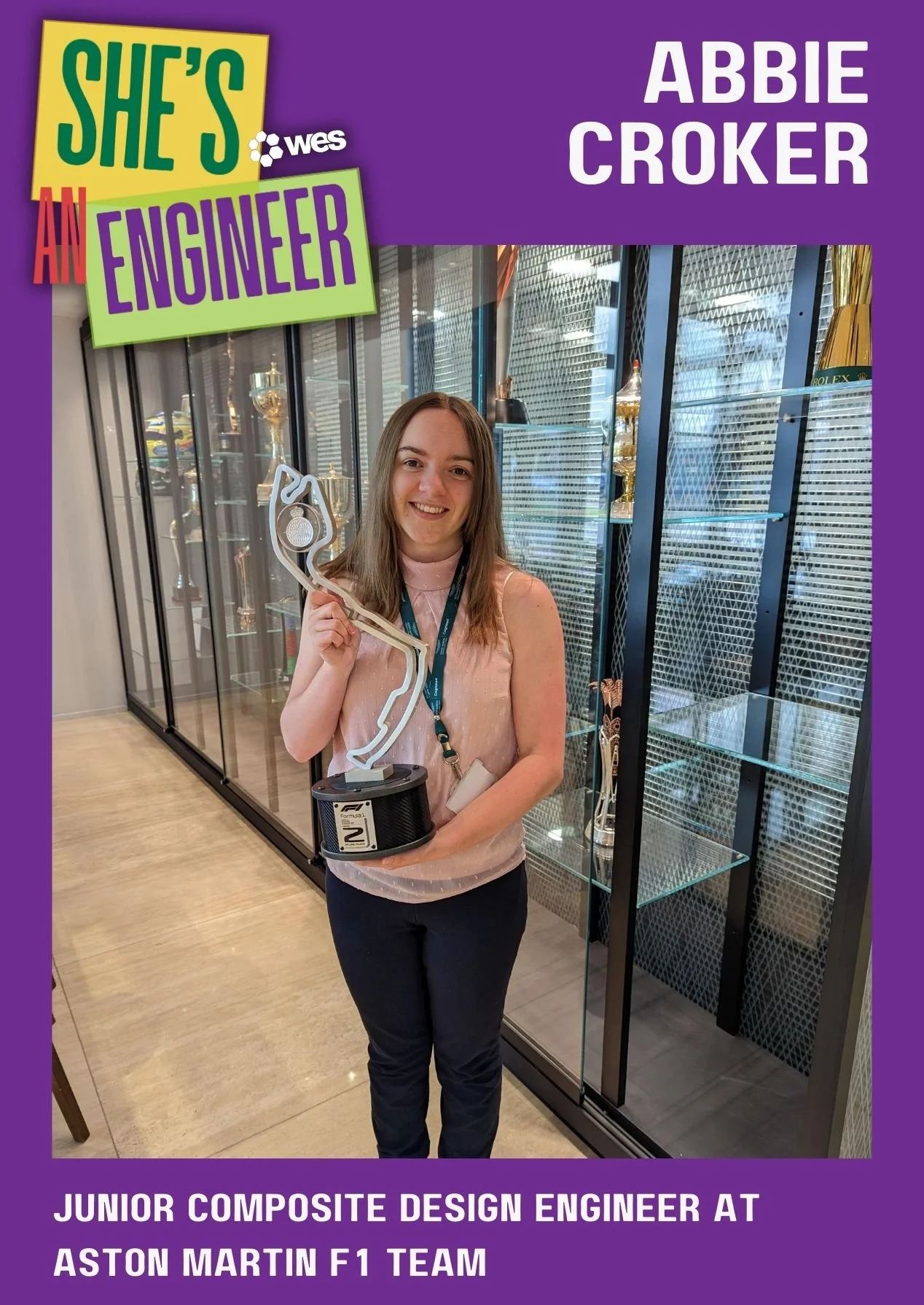
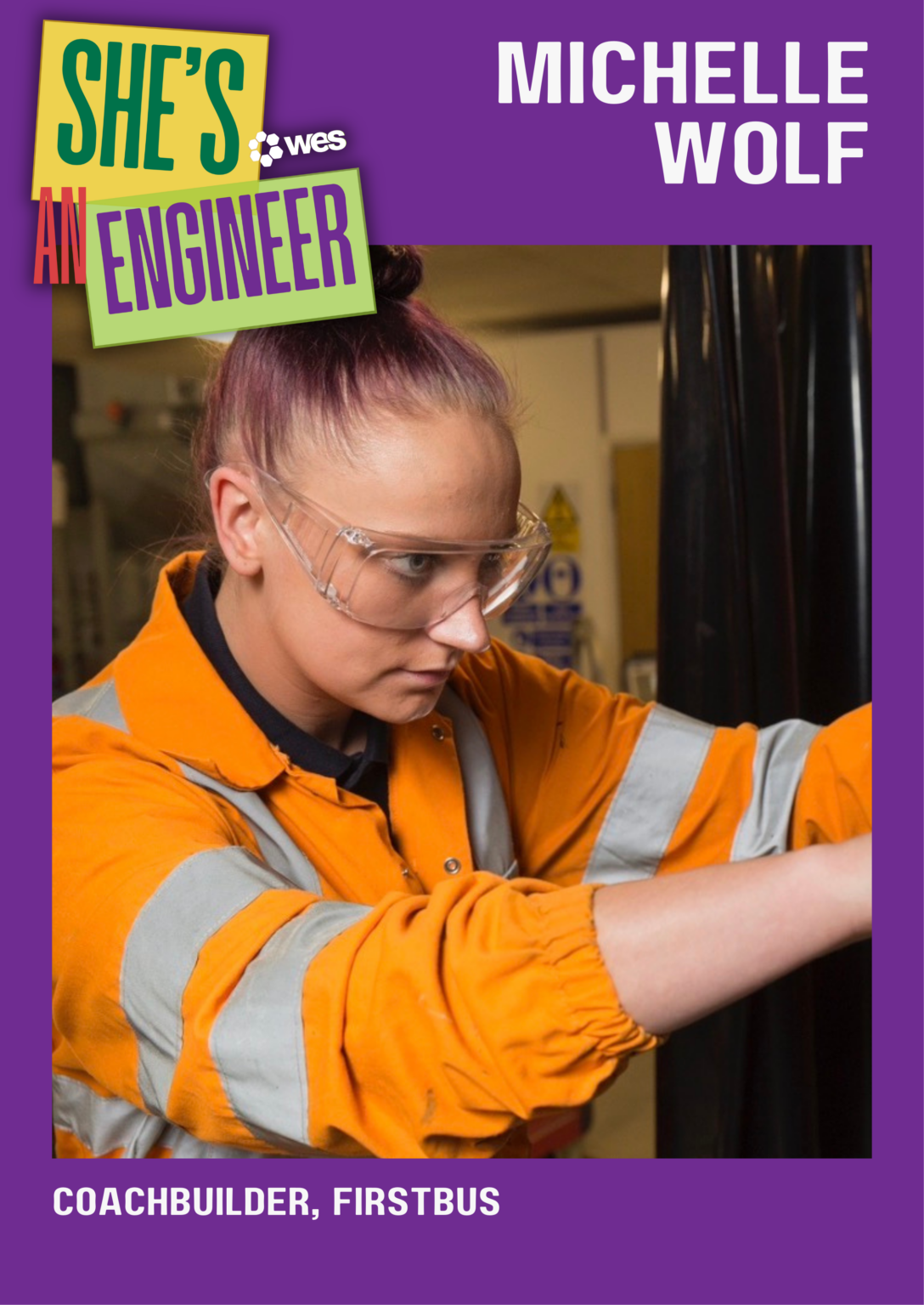
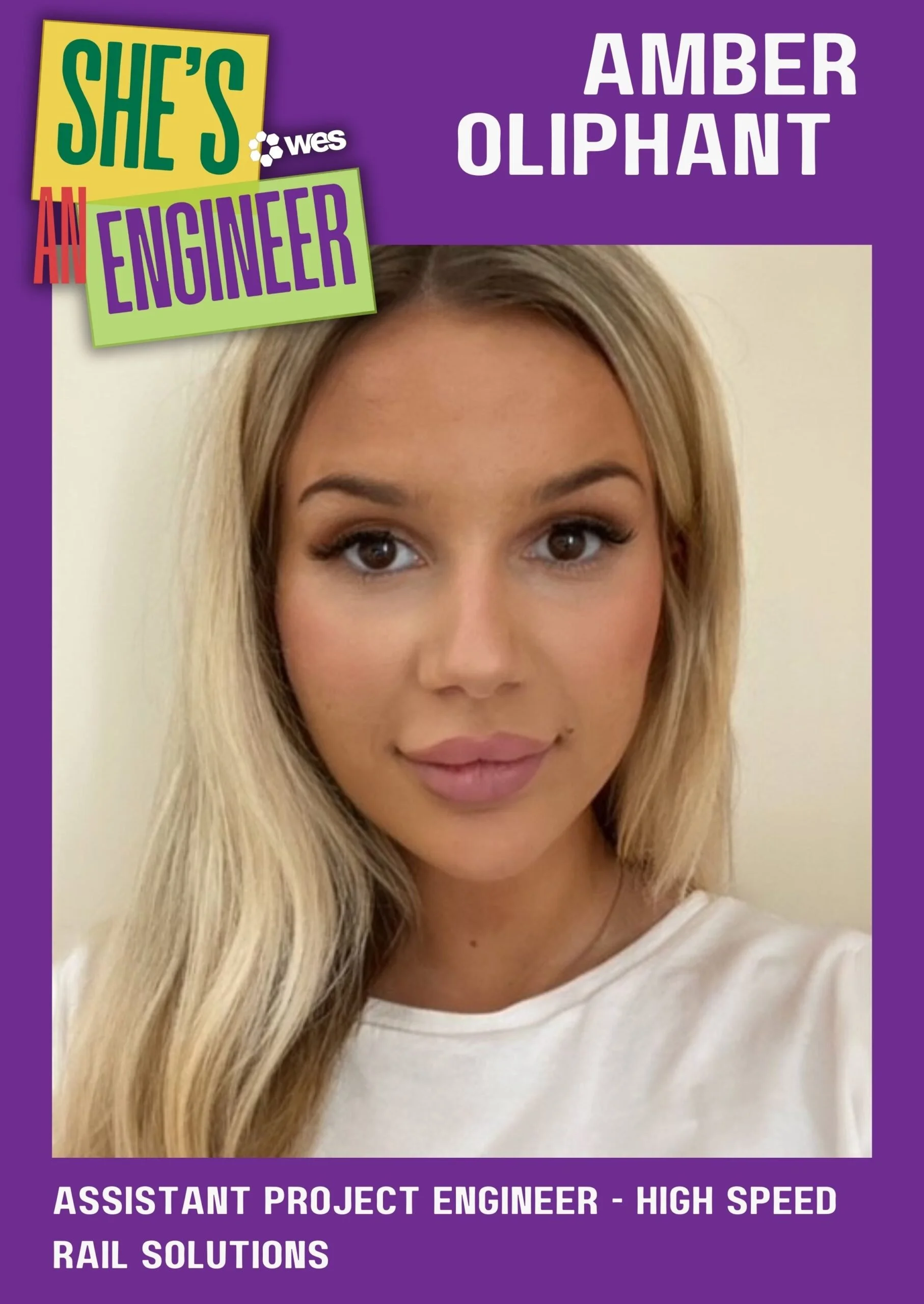
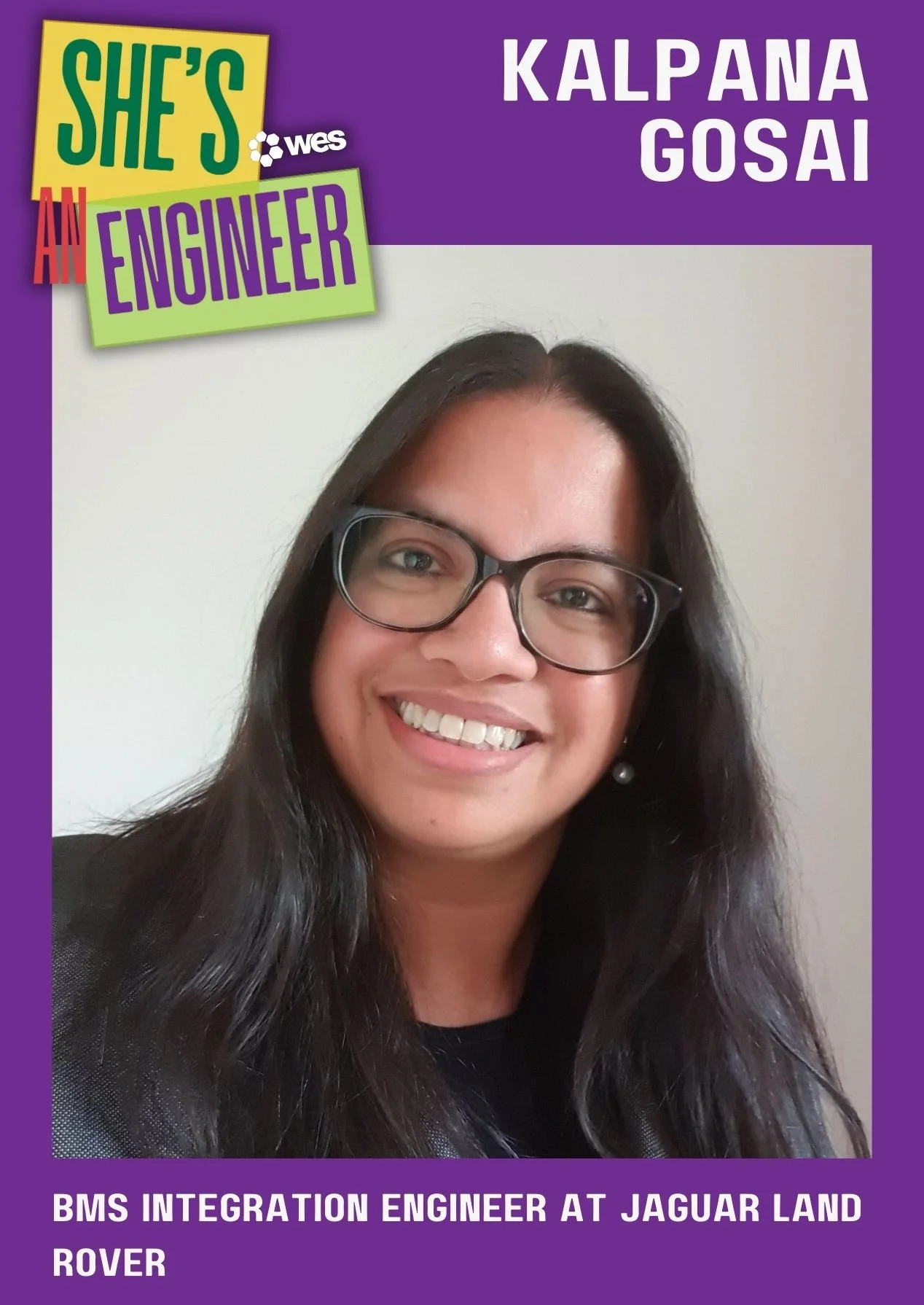
The transportation sector provides services to move people or goods, as well as transportation infrastructures. Transport includes air freight and logistics, airlines, marine, road and rail. For instance automotive engineers could be involved in car design, manufacture, maintenance, road design and motorsport.


Infrastructure Engineers
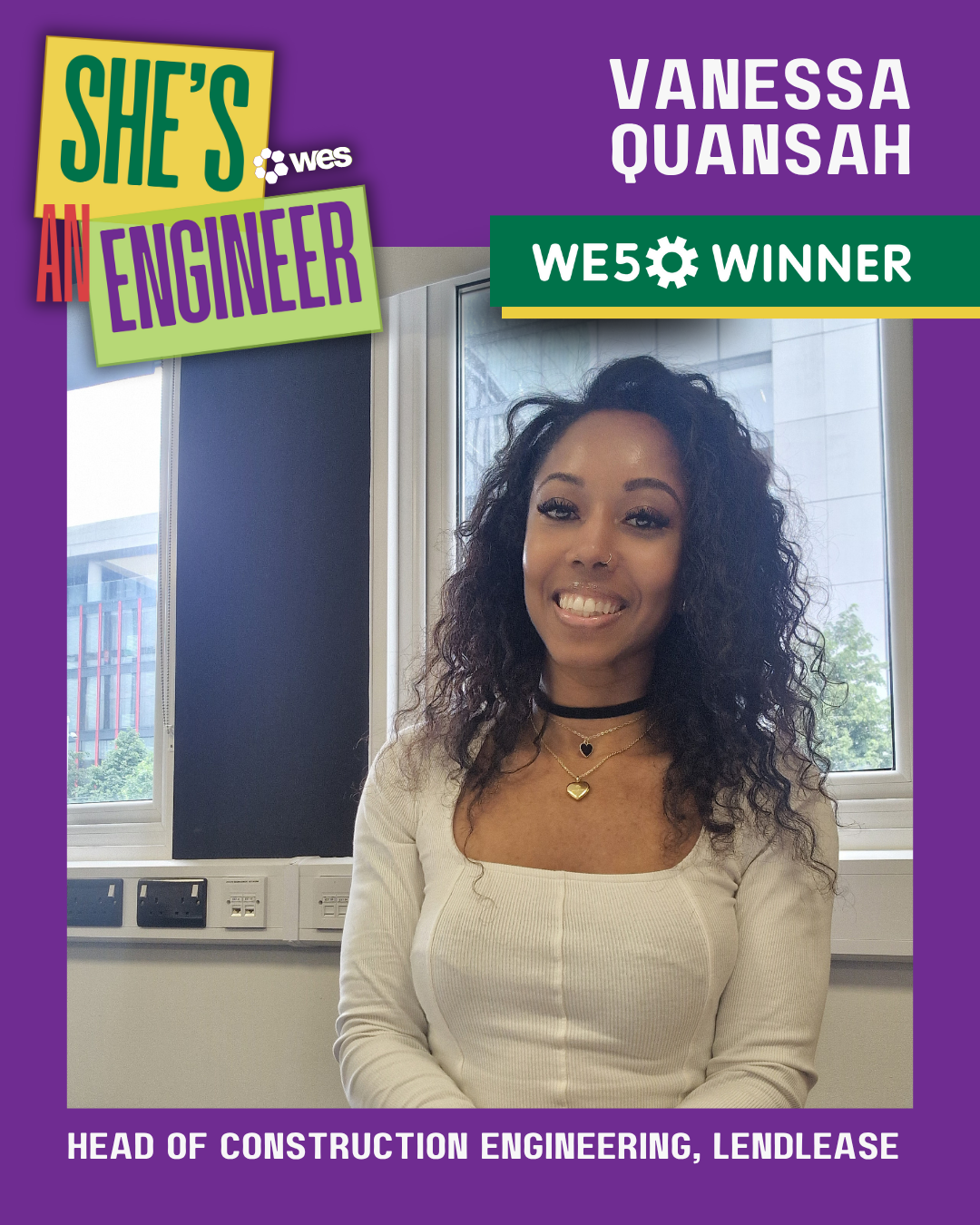
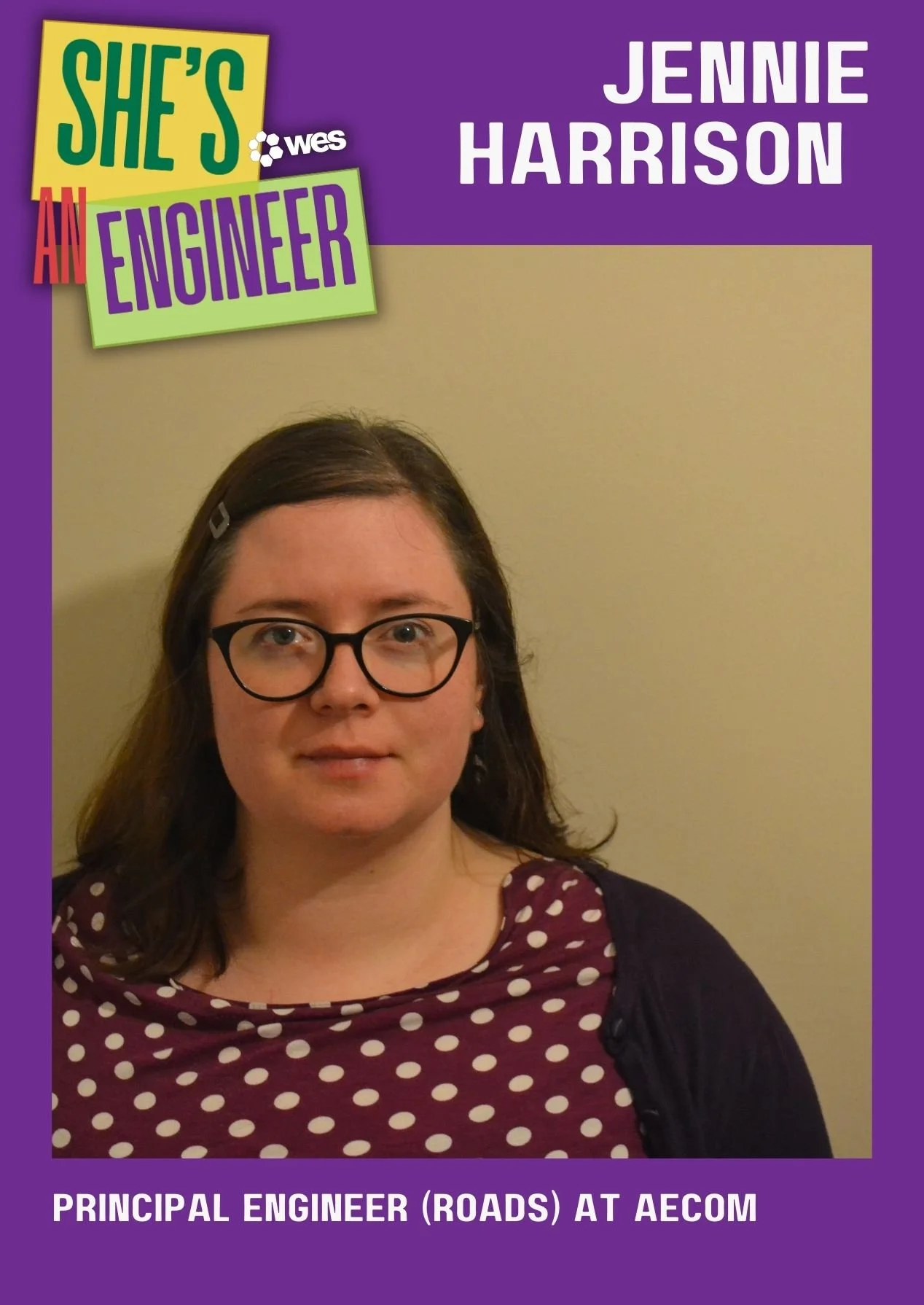
Infrastructure are the basic physical and organisational structures and facilities in this case the engineer work on buildings, roads, power supplies etc. These buildings, utilities and transport routes are needed for everyday life and keep the world moving.



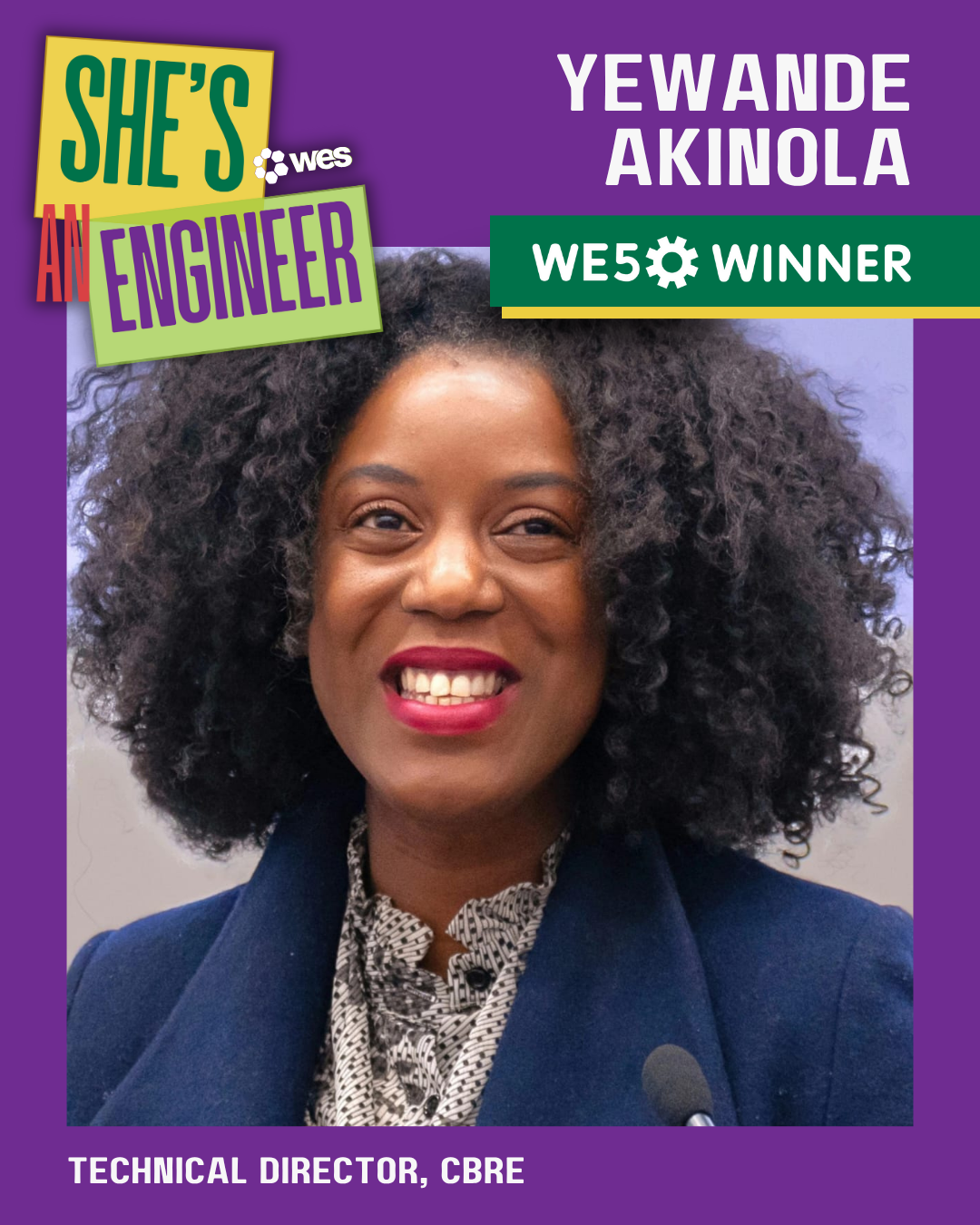

Medical Engineers
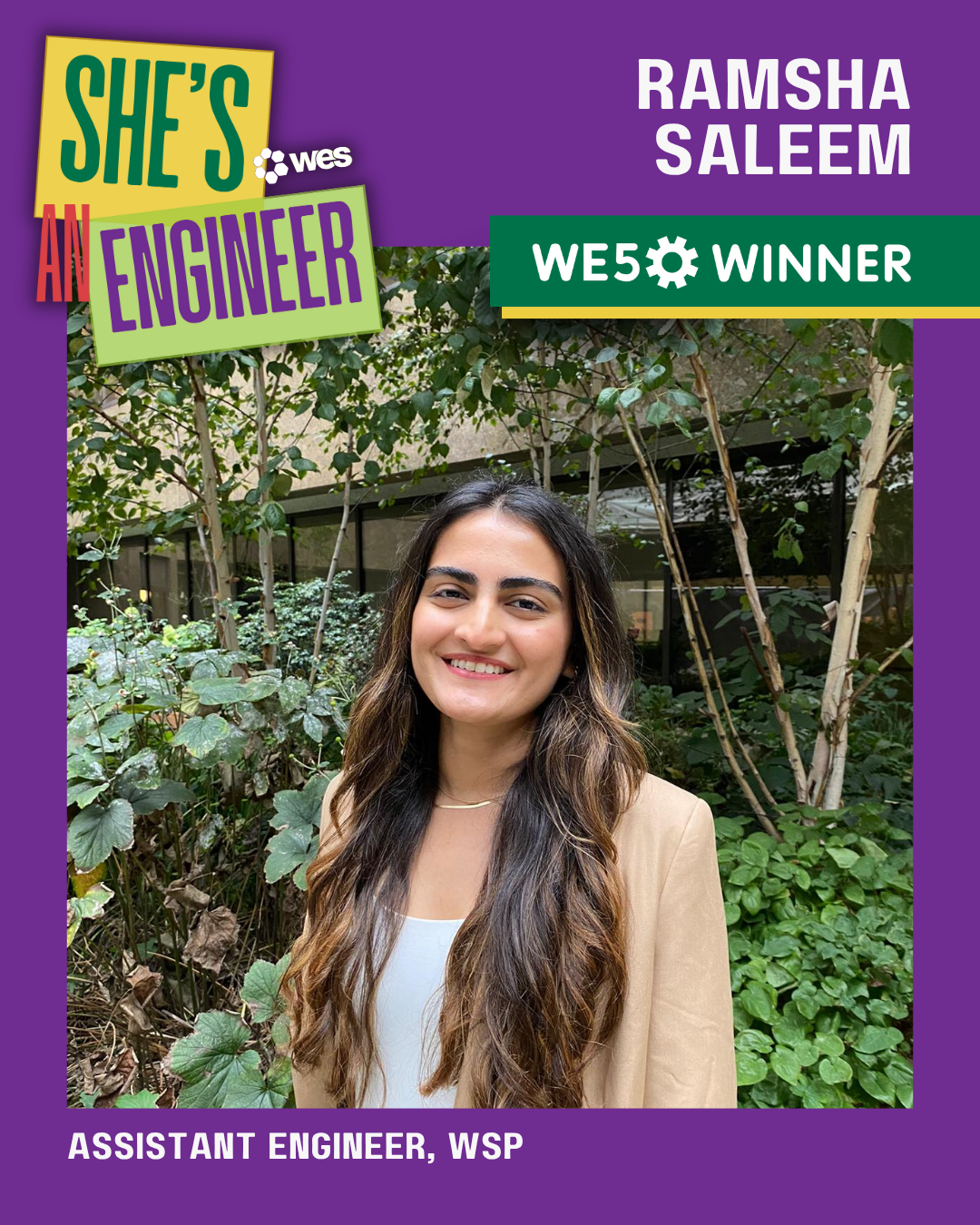
Healthcare engineers need to have a strong understanding of both engineering and medicine. They need to be able to solve problems and think creatively. They also need to be able to work well with other people, as they often work on teams with doctors, nurses, and other healthcare professionals.
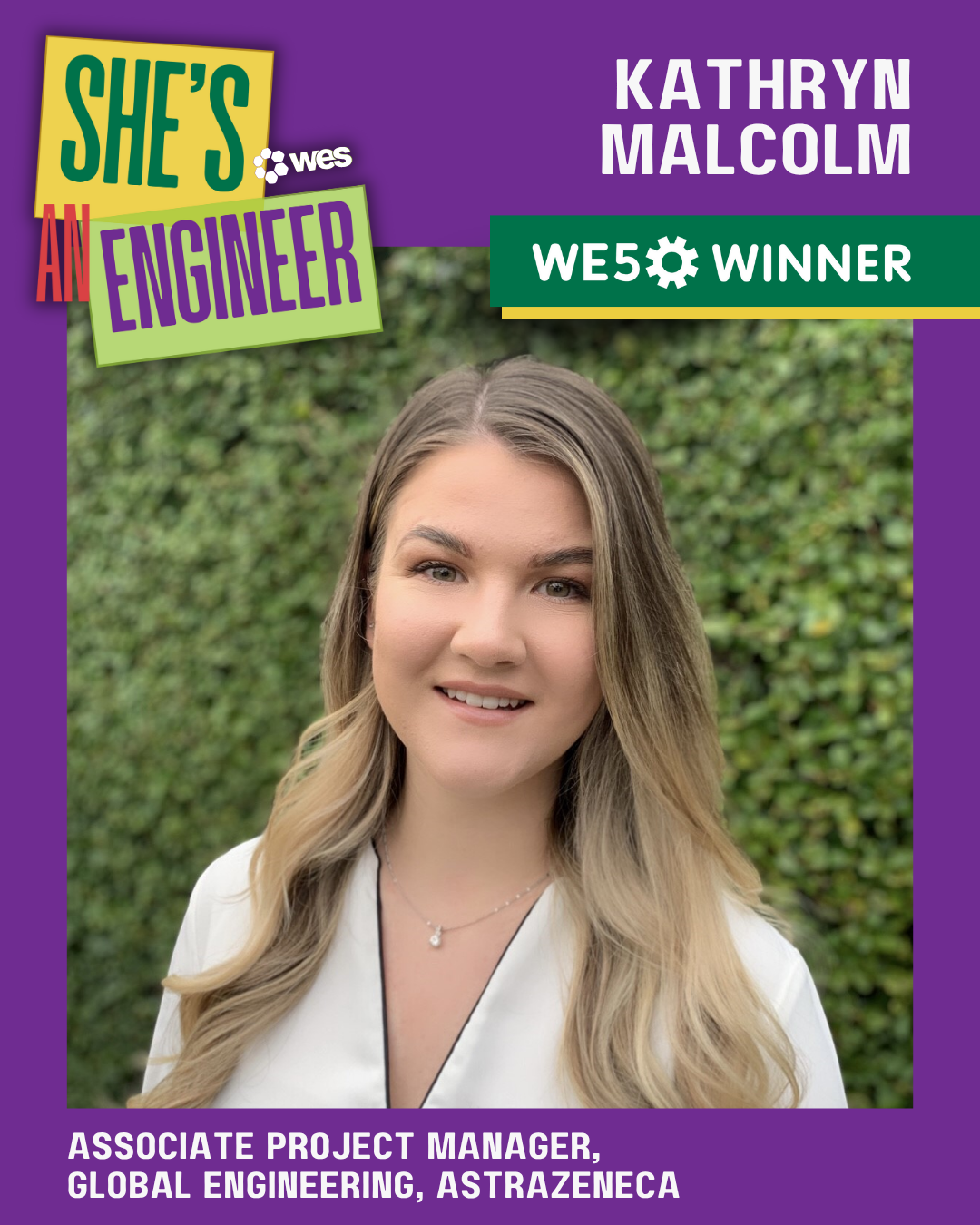
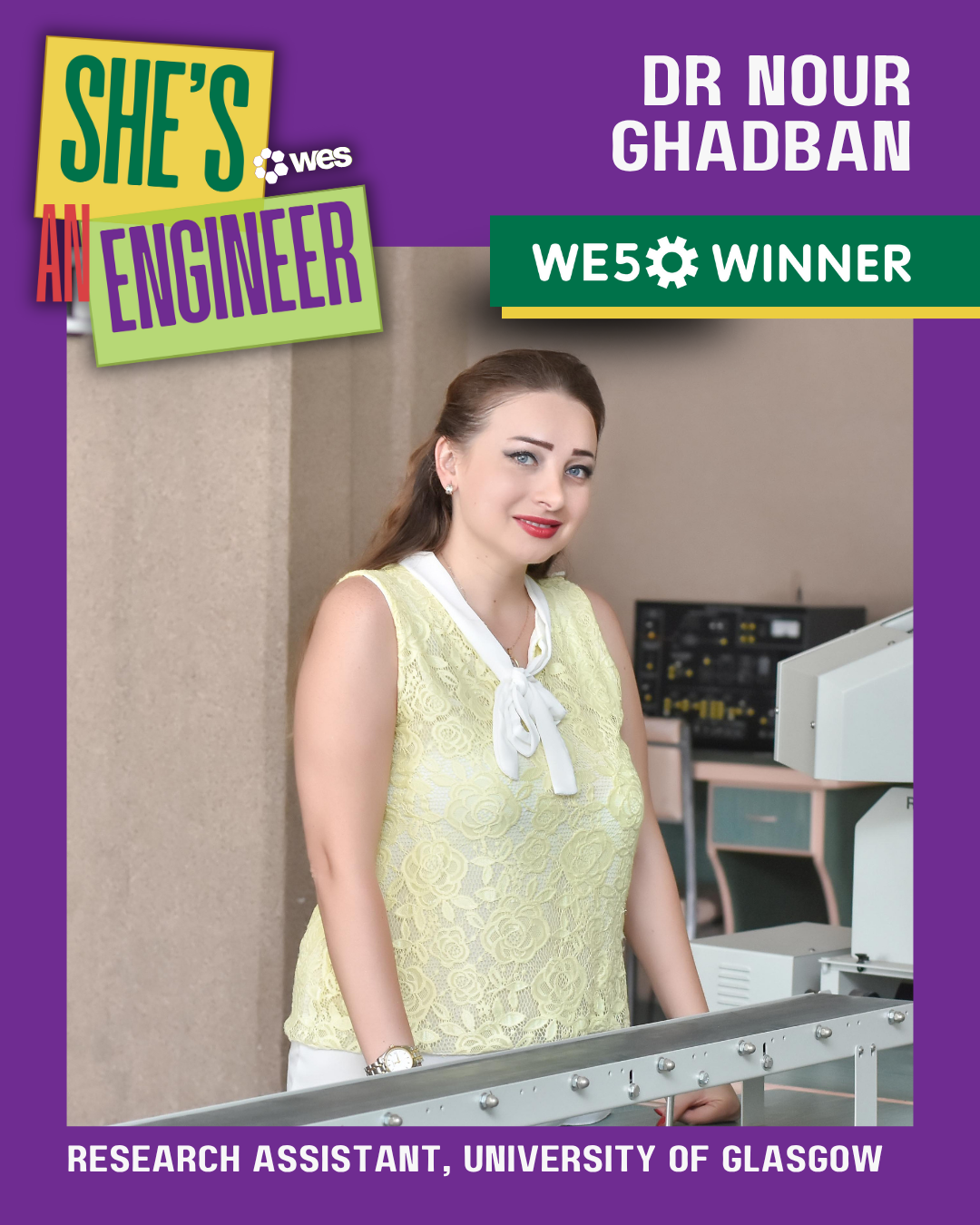

Defence Engineers
Defence engineers use their skills to design and build things that help keep people safe. They might work on things like Military Vehicles, weapons systems and communications systems.
Energy Engineers
The energy sector involves the production and distribution of energy.
Examples include fossil fuel, electrical power, nuclear power, renewable energies and traditional energy industry
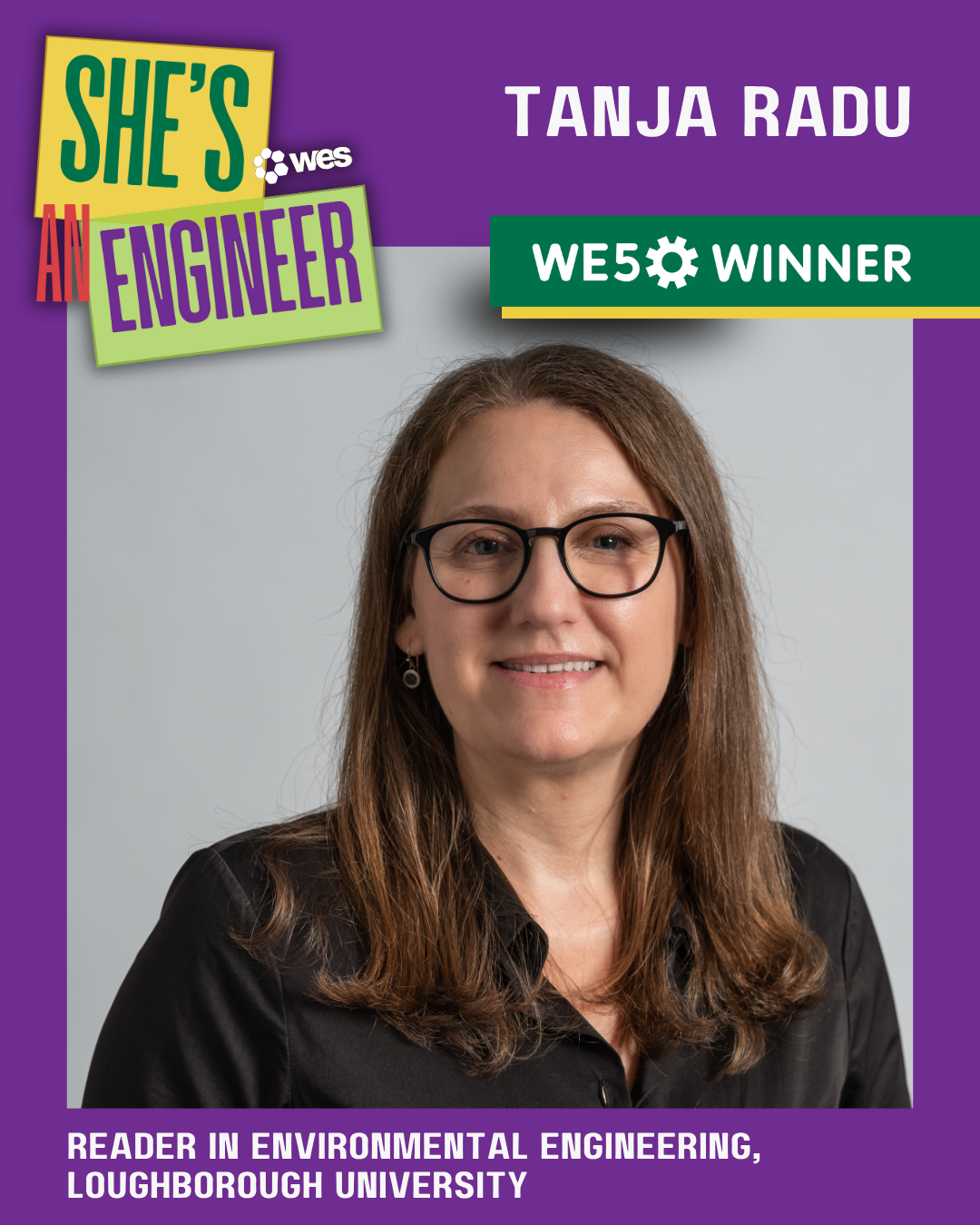
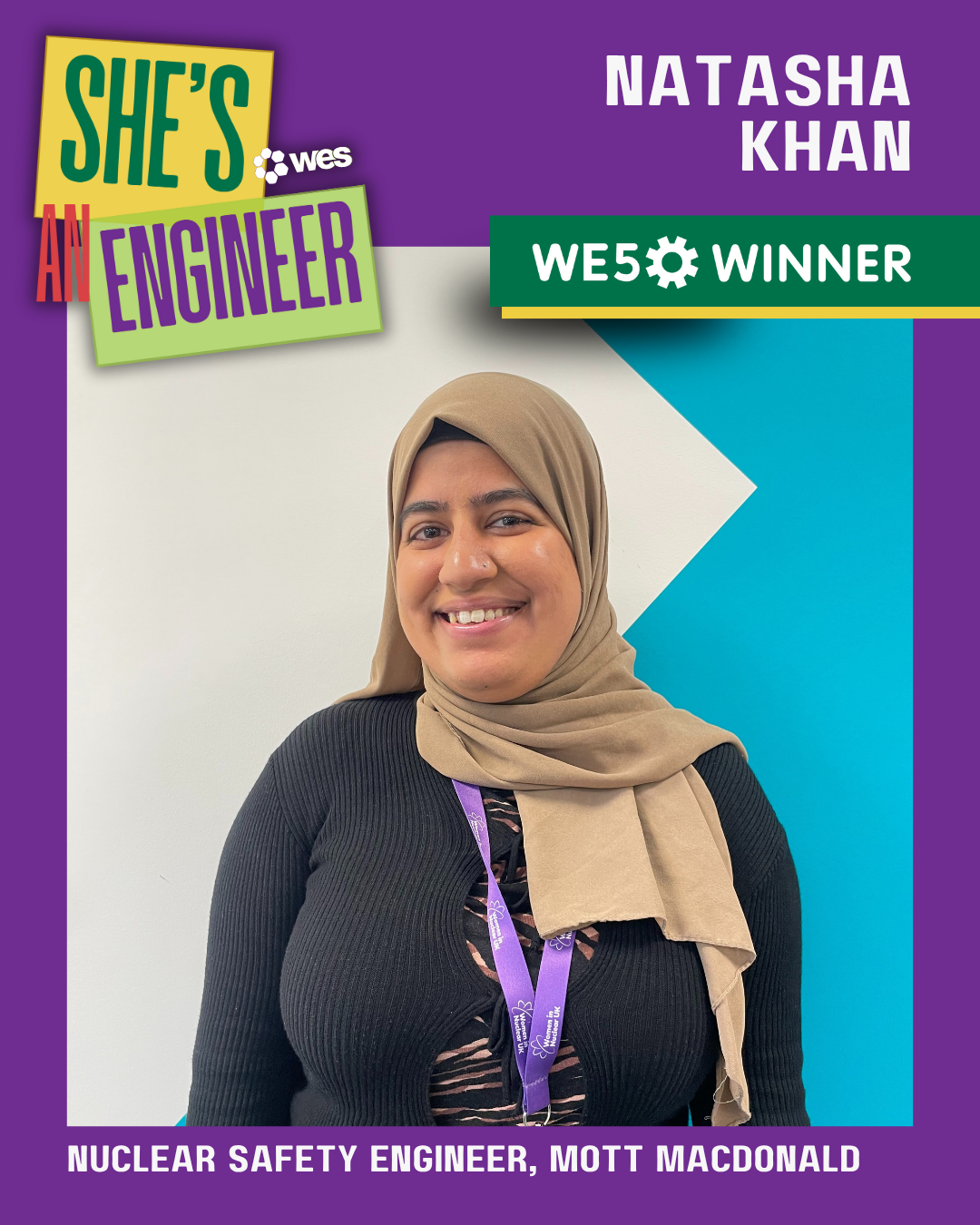
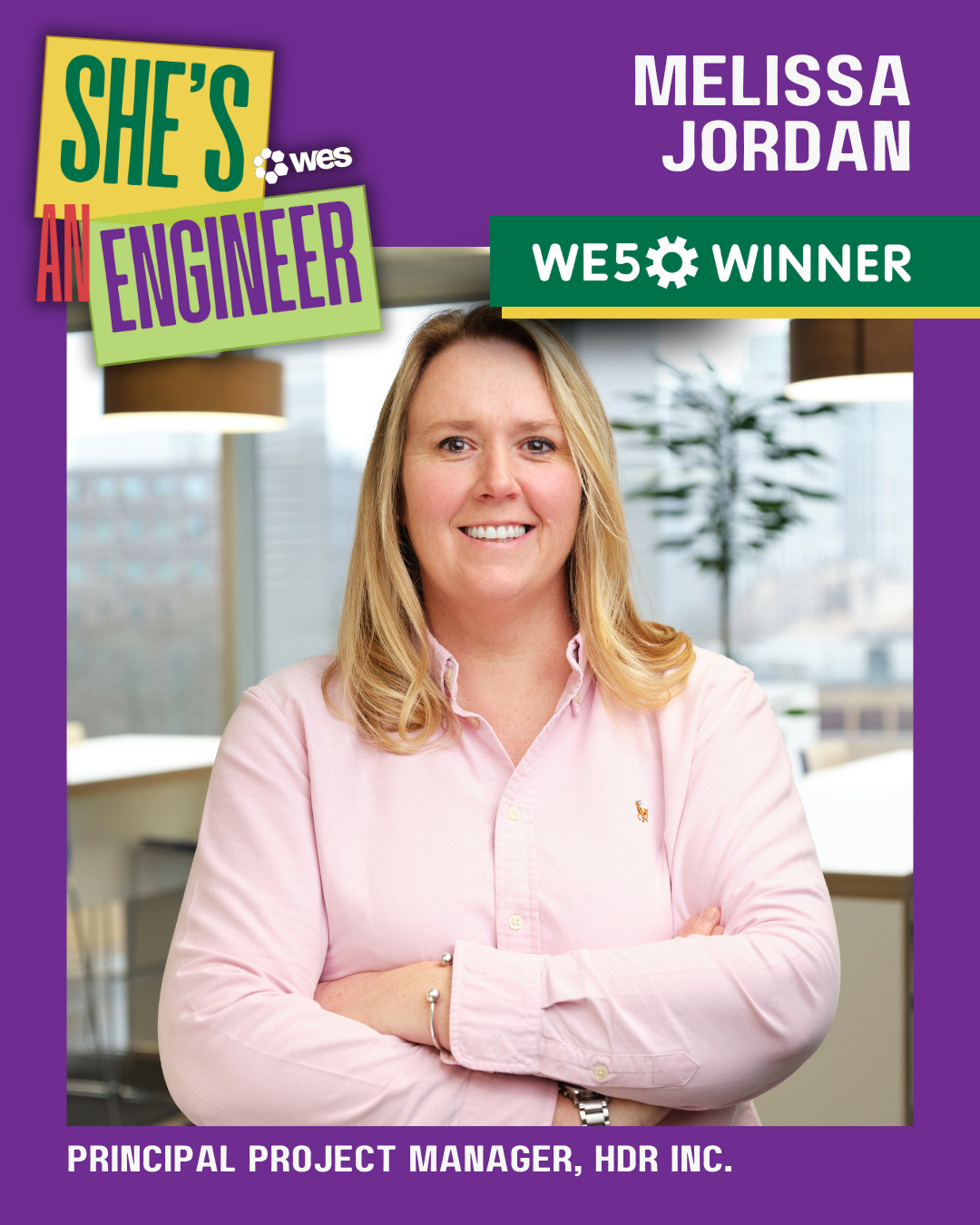

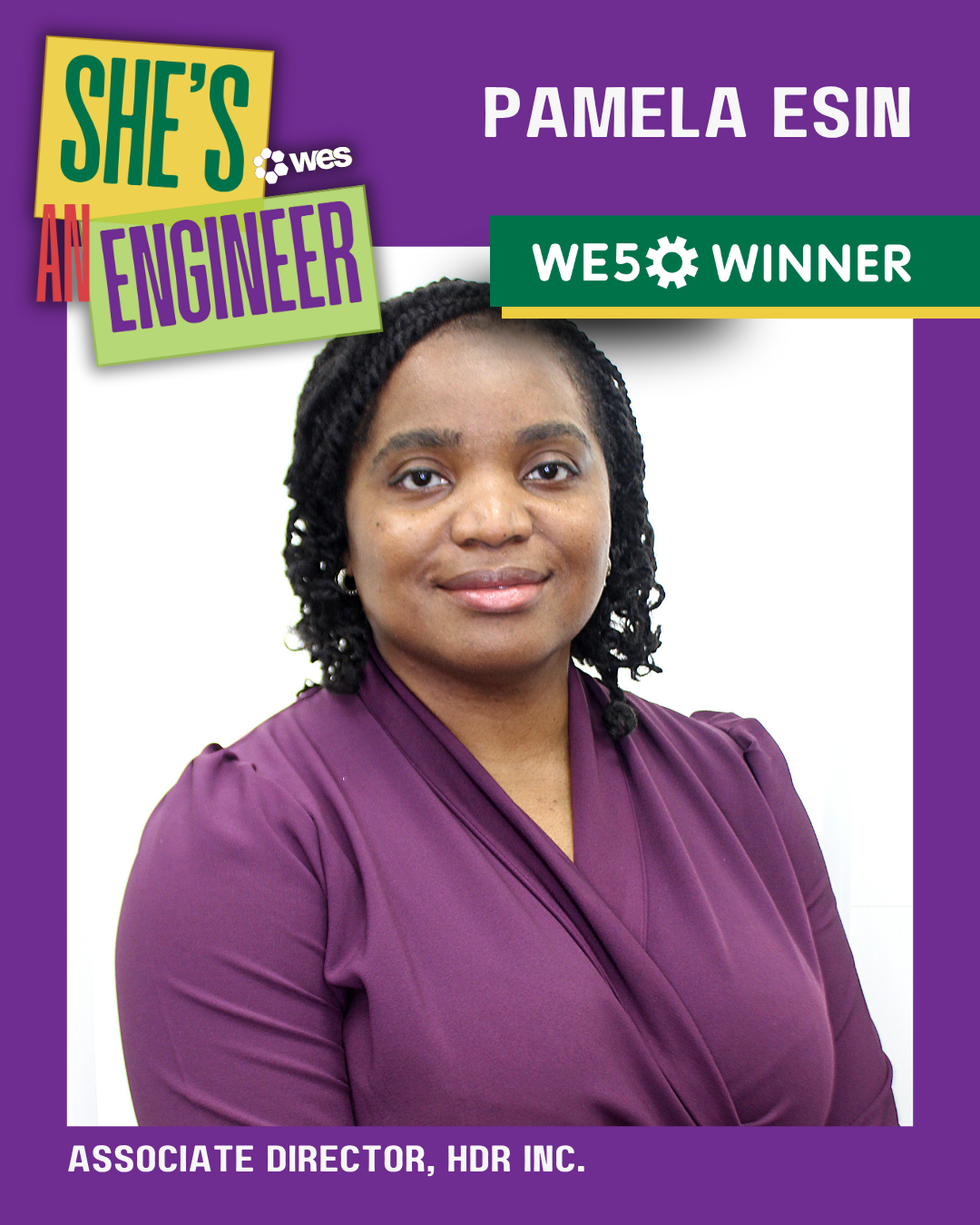
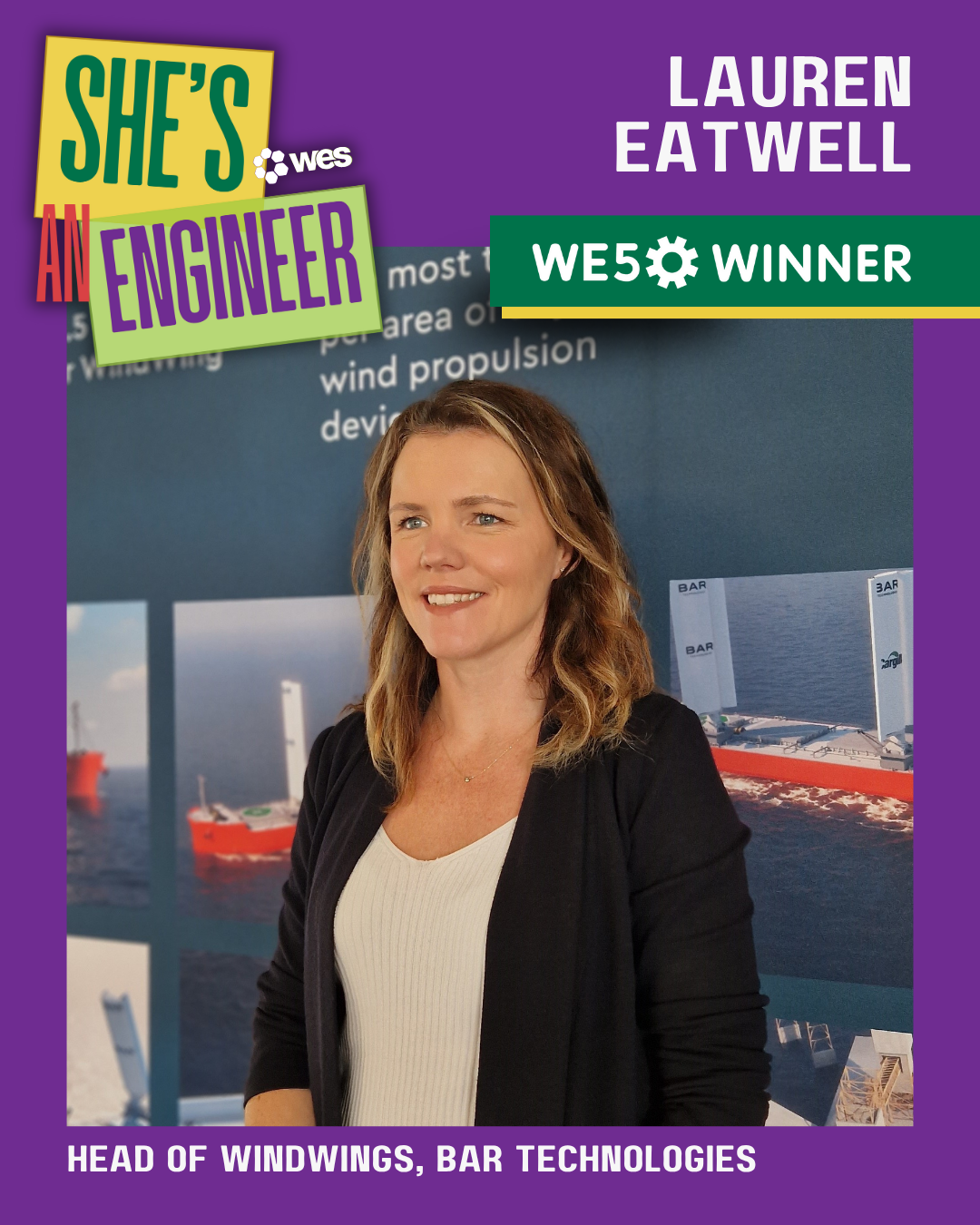


Safety Engineers
Safety engineering is a field of engineering that deals with accident prevention, reducing the risks associated with human error, and deriving safety benefits from engineered systems and designs.
Engineering Educator
Education is the process of enabling learning, or the acquisition of knowledge, skills, and qualifications. Educational Engineering can come in many forms include teaching, training, storytelling, discussion and directed research.
Want to support a more inclusive engineering profession?

Join WES and connect with a network of women engineers driving a more inclusive future.