

Our latest reports
We produce research and reports that highlight the experiences of women in engineering, inform our campaigns and help drive positive change for everyone.
Home » Reports
Driving change through evidence.
Our reports provide the evidence base for our campaigns and support organisations to build a more inclusive and equitable engineering sector. They offer valuable insights, including a literature review and high-level analysis of the data collected, serving as a foundation for further academic exploration


Established baseline of industry progress
Brought inclusive PPE into mainstream

Identified areas for further support
March 2026
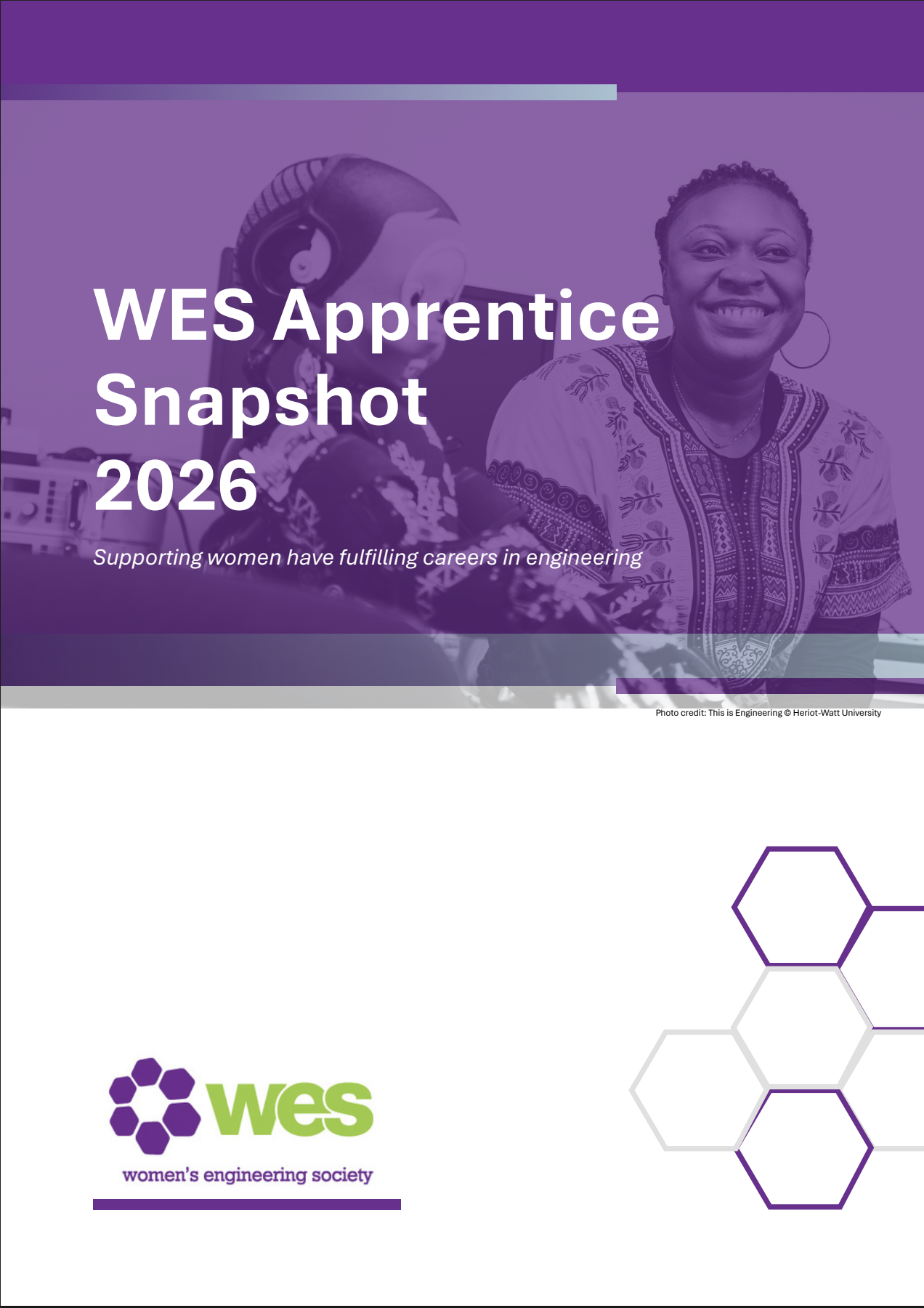
WES Apprentice Report 2026
The Apprentice Report is a snapshot of what the current landscape and future of engineering talent looks like through the eyes of apprentices themselves. It’s a call to action for employers, educators, and policymakers to build systems worthy of the people who will shape our sector.
KEY FINDINGS
87% of women apprentices feel supported in their role.
74% are satisfied with their apprenticeship.
66% feel optimistic about their future in engineering.
December 2025
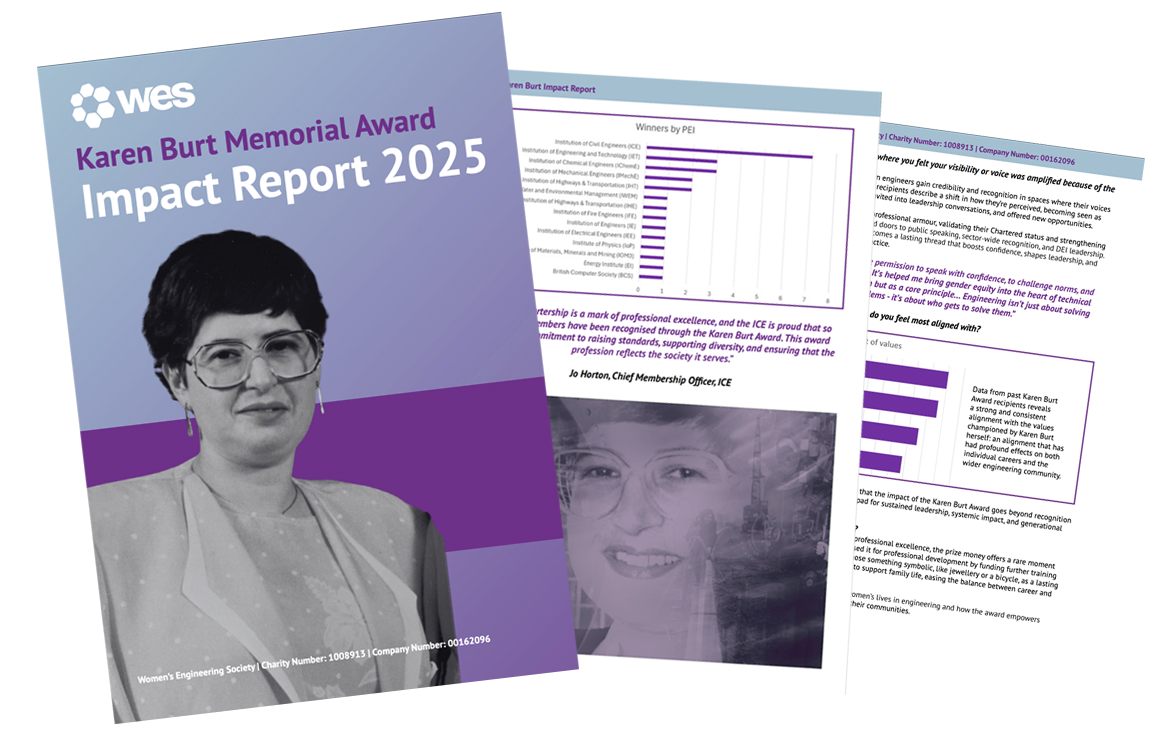
The Karen Burt Impact Report 2025
The Karen Burt Impact report is both a celebration and a reflection. It explores the impact of this long-standing investment in inclusive engineering leadership and honours the legacy of the Karen Burt Alumnae community it has helped to build.
As well as exploring its impact over time, we also recommend new opportunities to enhance its future direction and expand its contribution to the engineering profession.
March 2025
The Engineering Census
Supported by the Royal Academy of Engineering, the Women’s Engineering Society commissioned a nationwide census in 2019 to better understand the experiences of women in engineering and establish a baseline for measuring future progress and support initiatives.
KEY FINDINGS
Women make up 16.5% of the engineering workforce.
24% of women are considering leaving the profession.
Flexibility, culture and progression remain key challenges.
April 2024
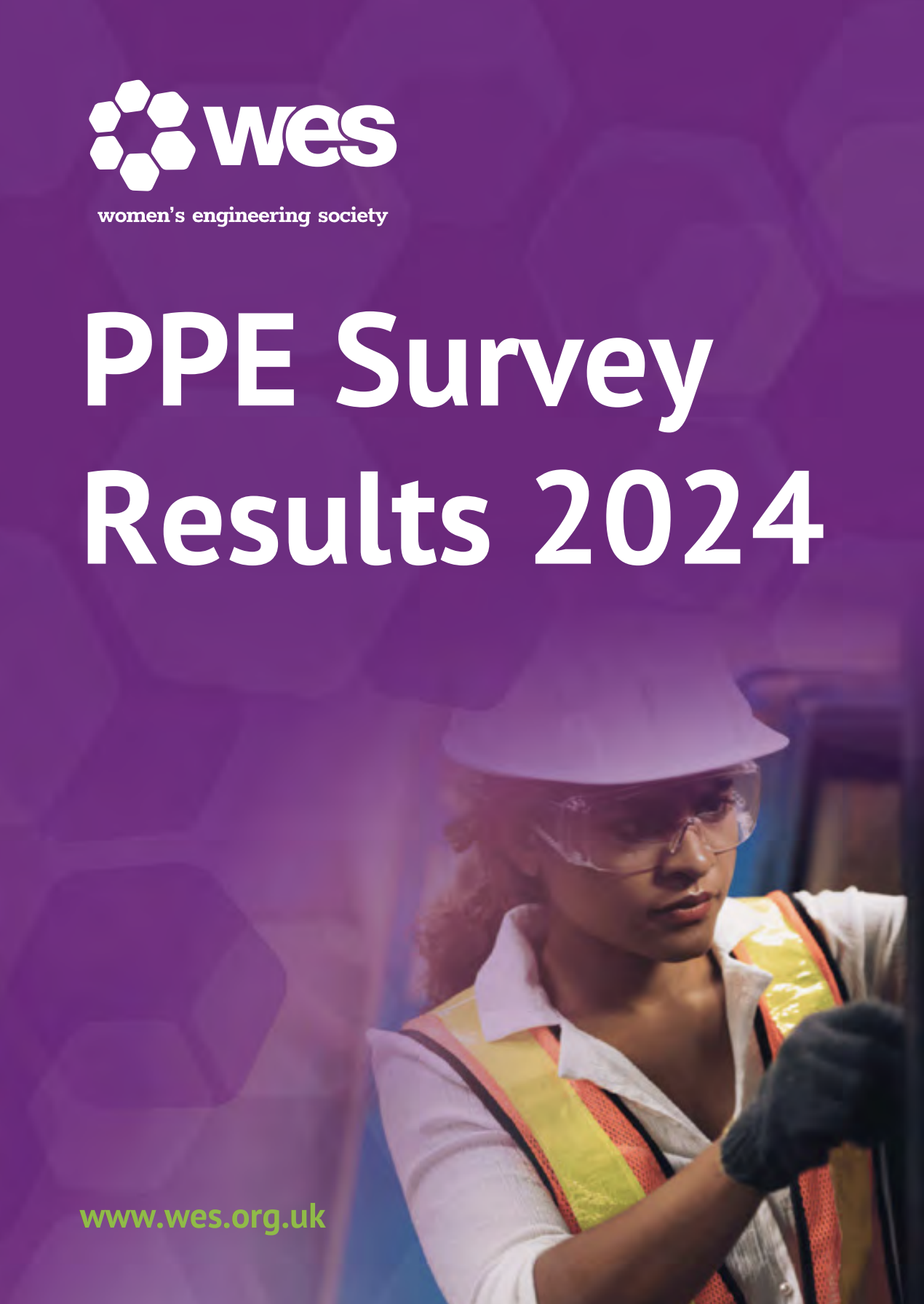
PPE Survey Results 2024
Since 2009, the Women’s Engineering Society has campaigned for inclusive Personal Protective Equipment (PPE), conducting research, engaging manufacturers and lobbying for change to address the impact of ill-fitting PPE on women in engineering and improve workplace safety and equality.
KEY FINDINGS
62% of women have experienced PPE that does not fit properly.
Ill-fitting PPE affects comfort, safety and confidence.
Better design and inclusivity are urgently needed.